



Is Acrylic Flame-Proof? Why Bethliving Strongly Recommends Steel Over Acrylic and WPC
In the fast-evolving world of modular home interiors, especially kitchens and wardrobes, material choices are not just about aesthetics—they’re about safety, durability, and long-term value. While acrylic continues to attract attention for its mirror-gloss finish, and WPC (“Waze”) is touted as an easy-to-work-with wood alternative, Bethliving champions a very different path—steel and stainless steel.
Why? Because our responsibility goes beyond appearances—we build for safety, sustainability, and performance that lasts a lifetime.
Let’s explore the reality behind acrylic, how it compares to WPC and steel, and why Bethliving clearly discourages the use of acrylic, no matter how tempting it looks.
What Is Acrylic?
Acrylic or PMMA (Poly Methyl Methacrylate) is a transparent thermoplastic that’s often used as a lightweight substitute for glass. In interior spaces, it’s widely used for high-gloss kitchen shutters, wardrobe doors, and decorative partitions. Its shiny surface can elevate visual appeal, but the hidden trade-offs are serious.
Is Acrylic Flame-Proof?
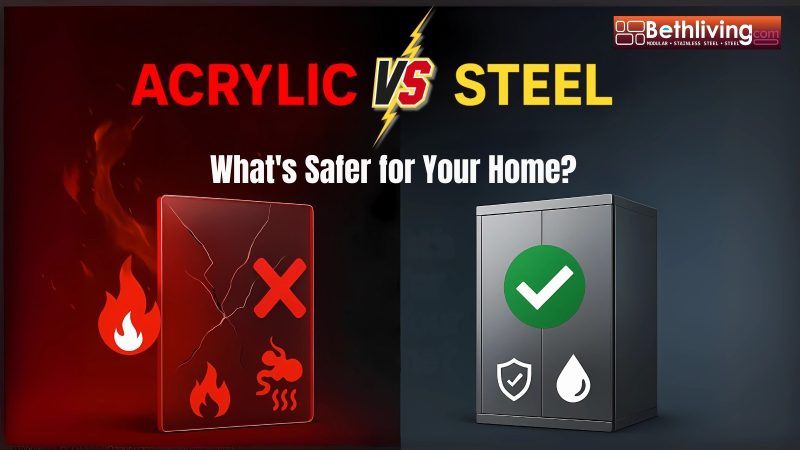
No, acrylic is not flame-proof. In fact, it is classified as flammable and can be dangerous in kitchen environments.
Fire Safety Details:
- Ignition Point: ~450°C (842°F)
- Burn Behavior: Produces bright flames and molten drips, increasing fire spread.
- Toxic Fumes: Releases carbon monoxide and other harmful vapors when burned.
Reference – Evonik ACRYLITE Fire Test
Reference – Purex UK on Fumes
This is a red flag for any material intended for kitchen spaces or homes where fire safety should never be compromised.
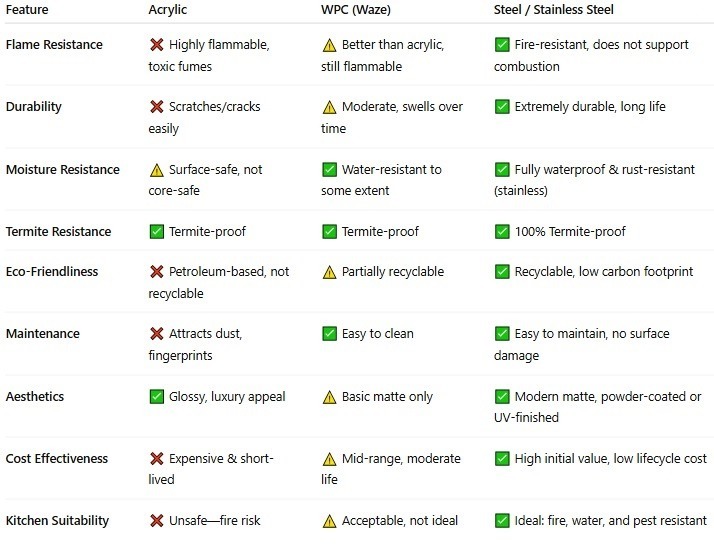
Acrylic vs WPC vs Steel – A Real-World Comparison
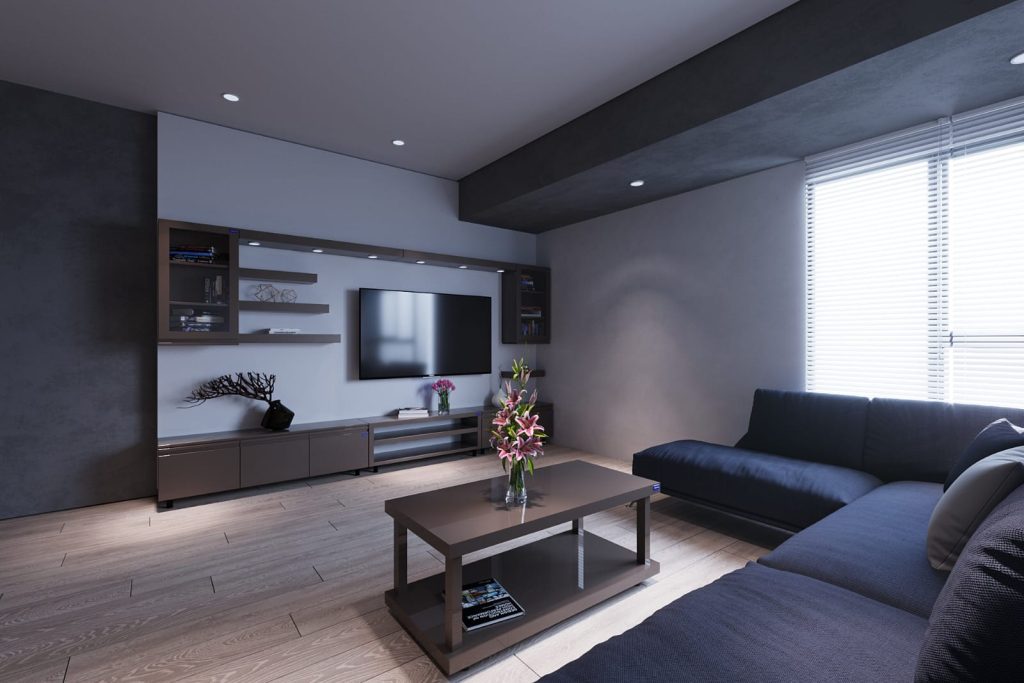
Here’s a direct, data-informed comparison of Acrylic, WPC, and Steel/Stainless Steel based on the parameters that matter in the Indian home interior context:
So Why Do People Still Choose Acrylic?
Mostly because of its aesthetic value. Acrylic offers:
- A mirror-like glossy surface
- A perception of luxury
- A contemporary look that appeals to urban homeowners
But appearances can be deceiving. Acrylic is easily scratched, prone to cracking, and dangerous in fire—making it more of a showroom material than a practical long-term solution.
Bethliving’s Position: Say NO to Acrylic
At Bethliving, we base our material decisions on performance data, safety compliance, and lifecycle value—not just market trends. That’s why:
We do not use or recommend acrylic for any of our products.
Our decision is rooted in:
- Its poor fire behavior
- Its fragile performance in everyday Indian conditions
- Its unsustainable lifecycle
Instead, we’ve invested years into perfecting the use of steel and stainless steel—a material that outperforms acrylic and WPC on every metric that matters.
The Bethliving Alternative – Steel Solutions for Every Space
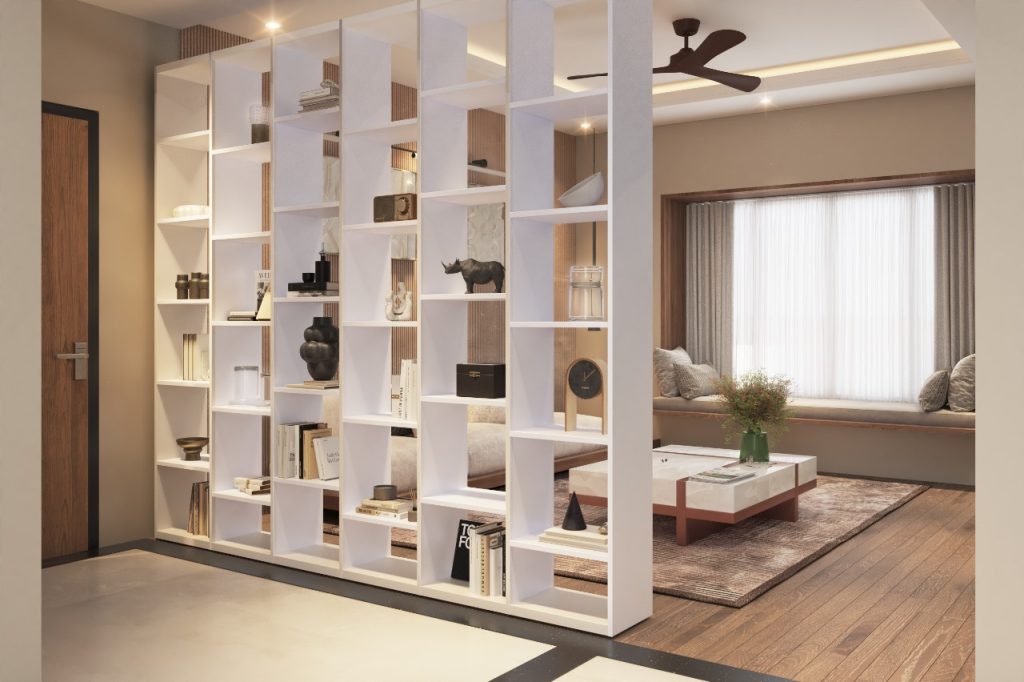
We offer a wide range of finishes and designs using powder-coated steel and stainless steel, which combine aesthetic versatility with industrial-grade performance:
Powder-Coated Steel
- Available in over 100+ shades
- Scratch-resistant and durable
- Ideal for kitchens, wardrobes, and vanities
Stainless Steel
- 304-grade stainless for maximum corrosion and fire resistance
- Elegant in matte or brush finishes
- Perfect for long-lasting wardrobes and overhead cabinets
UV-Printed Panels
- Offer customizable high-resolution designs
- No compromise on safety or durability
- A new-generation visual experience
Final Word: Performance Over Polish
Acrylic may shine in showrooms, but it fails in the real world—especially in Indian kitchens, where heat, oil, moisture, and wear are constant.
WPC offers moderate improvement but still does not meet the fire safety and longevity standards that modern homes deserve.
Steel and stainless steel, on the other hand, tick all the boxes: safety, sustainability, resilience, and beauty.
At Bethliving, We Choose Better—For You
We urge homeowners, designers, and architects to make informed decisions. Don’t fall for gloss when the core material cannot guarantee safety or value.
Bethliving’s promise is simple:
No compromise on safety. No shortcuts in quality. No acrylic in your home.
Walk into any Bethliving Experience Centre and see the better choice—feel the difference of steel, understand its performance, and enjoy peace of mind for years to come.
References:
1. Evonik ACRYLITE® Fire Behavior:
https://www.acrylite.co/resources/knowledge-base/article/what-are-the-flammability-ratings-and-test-results-of-acrylite-r?category=fire-test-performance
2. Plexiglas Fire Behavior Report:
https://www.plexiglas.de/en/service/product-info/fire-behavior
3. Purex UK on Dangers of Acrylic Fumes:
https://www.purex.co.uk/resources/insights/the-dangers-of-acrylic-dust-and-fumes
4. Wikipedia – Polycarbonate vs PMMA:
https://en.wikipedia.org/wiki/Poly(methyl_methacrylate)
https://en.wikipedia.org/wiki/Polycarbonate
Why Bethliving Recommends Toughened Glass Over Acrylic
While acrylic may be glossy, it is neither durable nor safe. That’s why at Bethliving, we completely avoid acrylic in all our designs.
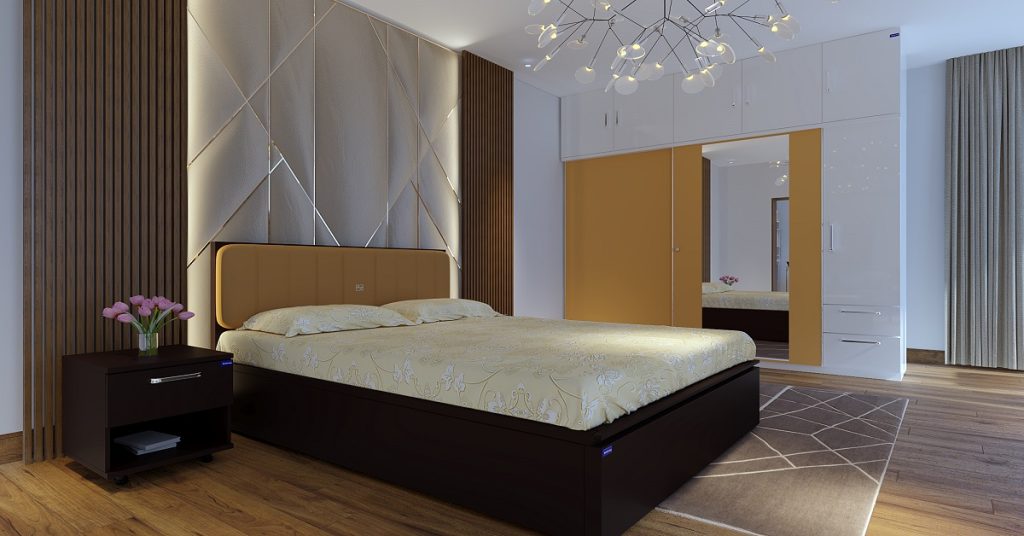
However, we do recommend toughened (tempered) glass for customers who desire a premium aesthetic look—but with safety.
Why Toughened Glass is Better Than Acrylic:
✅ Heat Resistant – Glass does not warp or burn like acrylic.
✅ Flame Safe – Tempered glass won’t catch fire or emit toxic gases.
✅ Scratch-Resistant – Glass is much harder than plastic; it retains its clarity.
✅ Premium Aesthetics – Provides a clean, minimal, modern appearance.
✅ Eco-Friendly – 100% recyclable with minimal environmental impact.
At Bethliving, we use toughened glass selectively, especially:
- As decorative shutters for wardrobes or vanities.
- For glass-top cabinets or partitions.
- In living and dining areas where aesthetics matter more than structural strength.
We do not recommend glass for base cabinet bodies or high-impact zones like kitchen drawers. That’s where our steel interiors or powder-coated steel bodies take over—giving you unmatched strength, hygiene, and safety.
So while glass wins on elegance, steel wins on engineering and everyday life. Together, they can offer a best-of-both-worlds experience—something acrylic can never match