



INTRODUCTION
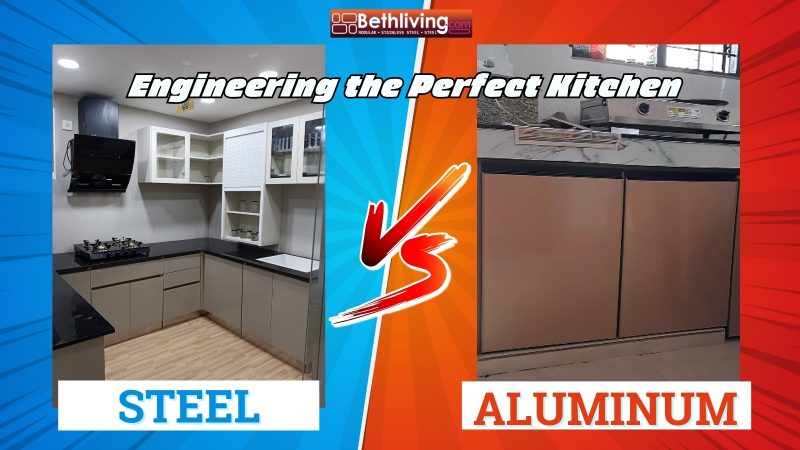
Modular kitchens embody modern living by combining efficiency, aesthetic appeal, and functional design. A critical decision in their fabrication is the choice between steel and aluminum. This report demonstrates why, from an engineering and practical point of view, steel is the superior choice for modular kitchen fabrication.
Steel vs Aluminum: Pros & Cons
| Feature | Steel Kitchen Advantages | Aluminum Kitchen Limitations |
| Durability | Robust, long-lasting, resists heat/impact | Soft, prone to denting and bending |
| Corrosion Resistance | Highly resistant due to chromium content | Excellent but soft; no rust |
| Aesthetics | Premium, timeless, modern finish | Lightweight, fewer finish options |
| Weight | Solid, contributes to stability | Light, easy to handle |
| Maintenance | Stain/fingerprint-resistant, easy to clean | Requires gentle maintenance |
| Health/Safety | Non-reactive, safe for food | Surface may leach metals if untreated |
| Longevity | Outlasts, lighter materials, less frequent repairs | Shorter lifespan in heavy-use scenarios |
| Cost | Higher upfront, lower long-term | Lower upfront, higher repair needs |
Steel Kitchen Fittings, Fastening, and Assembly
Fittings
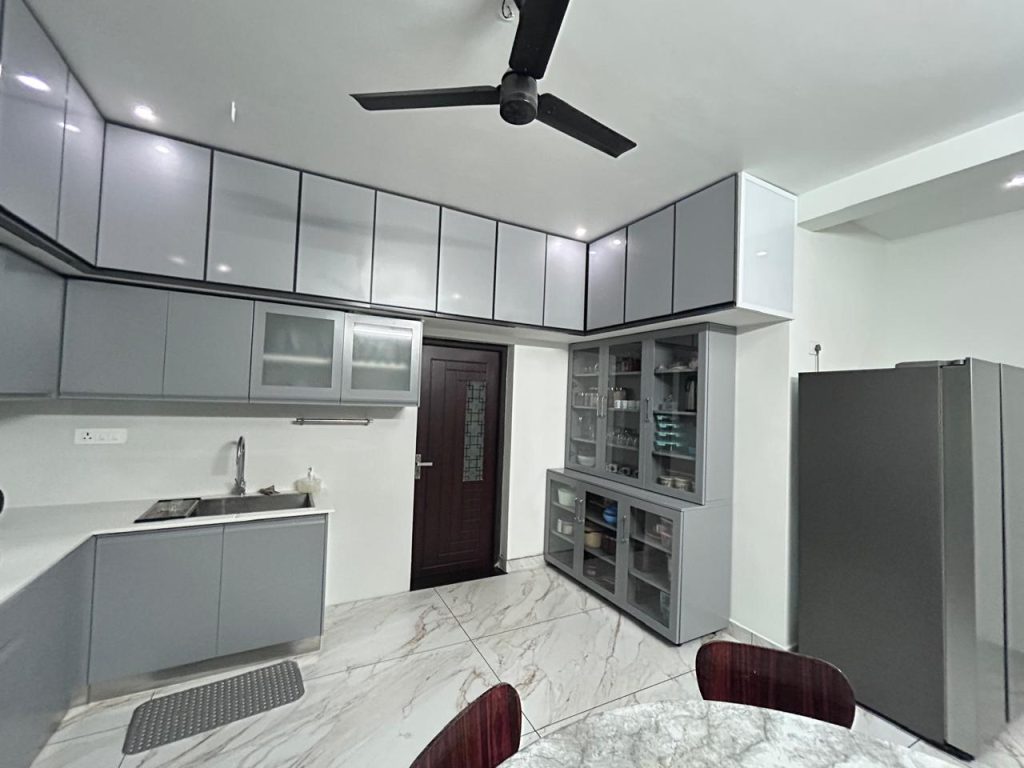
- Stainless steel hinges, slides, handles, and soft-close systems are preferred for strength and longevity.
- Steel fittings are especially critical for high-use parts: drawers, corner units, and integrated racks.
Fastening
- Cam locks, bolts, stainless screws: Essential for tight, adjustable joins in steel cabinetry.
- Metal brackets and L-plates: Reinforce at stress points—especially with heavier steel modules.
- Thread-locking compounds: Prevent loosening overtime on metal fasteners for ongoing stability.
Assembly at the Customer Site
- Quality Checking: Each stage involves periodic testing for alignment and stability, ensuring optimal performance.
- Prefabricated Delivery: Heavy-gauge steel frames, pre-measured and ready for final assembly.
- Expert Installation: Technicians assemble modules, align panels, and ensure accurate positioning using blueprints and engineering drawings.
- Precision Fastening: Careful drilling and use of robust fasteners secure all joints, especially in load-bearing locations.
- On-Site Adjustments: Installers make minor modifications for plumbing or uneven walls to guarantee a perfect fit.
Lack of Engineering Activity in Aluminium Kitchens: Industry Problems
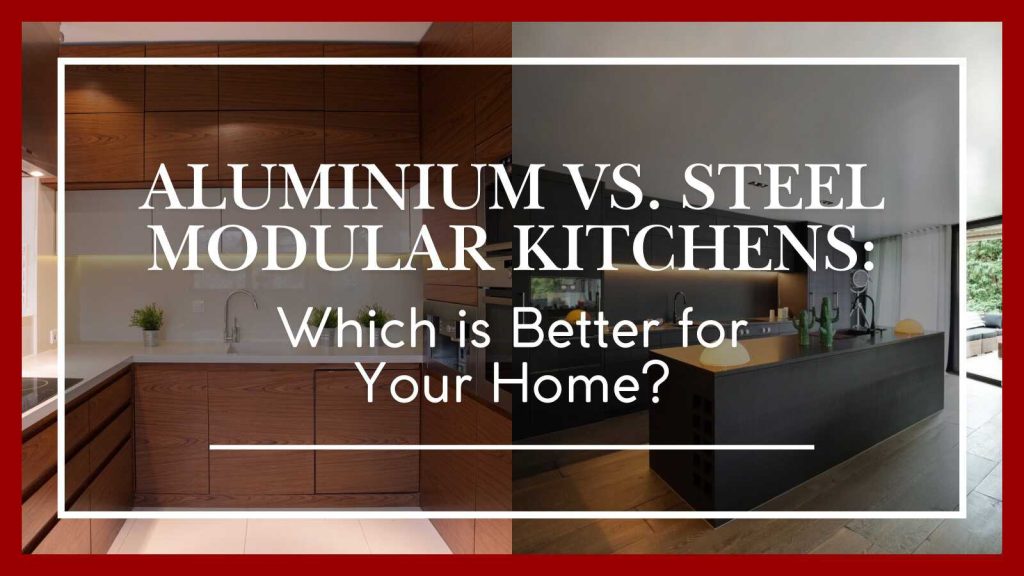
A significant challenge facing the aluminium modular kitchen industry is the frequent absence of engineering oversight in installations. Many aluminium kitchens are put together without adherence to standardized practices, leading to the use of irregular hardware and suboptimal construction techniques. This lack of standardization not only results in inconsistent quality from one installation to another but also introduces safety risks that can affect the overall usability and reliability of the kitchen.
A further complication is the shortage of skilled labour trained in technical or engineering principles. Often, installations are carried out by workers who lack the precise knowledge necessary for high-quality kitchen fabrication. The result is misaligned cabinets, poorly fitted components, frequent hardware failures, and an ongoing need for repairs. Fragmented industry practices are all too common, as clear guidelines or quality controls are generally absent. This environment encourages shortcuts and quick fixes at the expense of value and longevity.
Impact of Poor Engineering Support in Aluminium Kitchens
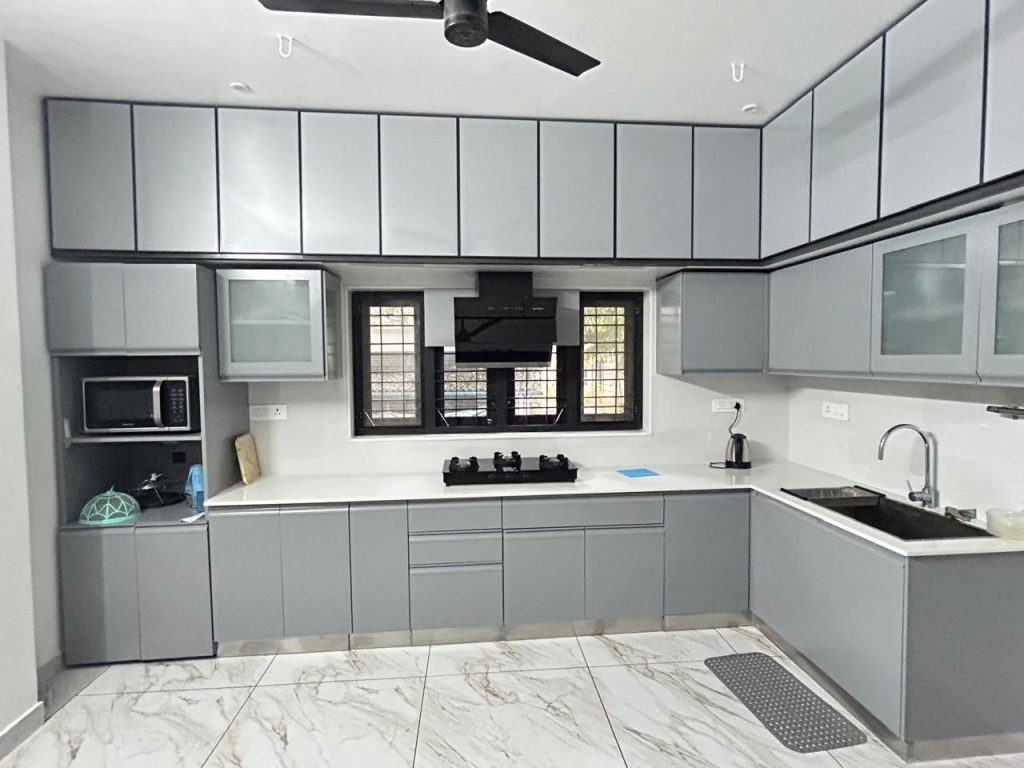
The consequences of poor engineering activity during the installation of aluminium kitchens are manifold. Structurally, inadequate planning and assembly lead to several persistent problems. Cabinets and modules may be improperly aligned, causing instability and functional challenges for users. Weak fastening methods, such as unsuitable connectors or loose fasteners, are common, resulting in wobbling, joint failure, and unwanted noises during use. When stress points are left unsupported, shelves may sag, and entire cabinets can become detached or fall, posing significant safety hazards.
These structural shortcomings have a direct impact on the durability and maintenance requirements of aluminium kitchens. Poor assembly generally shortens the expected lifespan of the kitchen, leading to recurring issues such as loose handles, broken hinges, and the malfunction of drawers. Homeowners find themselves burdened with frequent repair needs, diminishing the appeal and value of their investment.
Functionality suffers as well. With drawers and doors that stick or jam, the daily user experience can be frustrating and inconvenient. In severe cases, heavily loaded cabinets installed without proper support may collapse, endangering users and creating liabilities for both fabricators and homeowners.
Financial Consequences
Ultimately, the lack of proper engineering oversight in aluminium kitchen installations results in financial drawbacks. Initial cost savings achieved through cheap labour and materials are consistently offset by the growing costs of repeated repairs and, in some cases, full replacements of the kitchen units. What appears to be an economical choice upfront often proves far more expensive in the long run due to the need for ongoing maintenance and reduced kitchen lifespan.

CONCLUSION
In the world of modular kitchen fabrication, engineering principles drive material selection and, ultimately, long-term satisfaction. While aluminium kitchens offer initial appeal due to their light weight and lower upfront costs, an engineering analysis quickly reveals their limitations. Aluminium’s lower tensile strength and rigidity make it prone to denting, bending, and warping under regular kitchen forces—traits unsuitable for the daily stresses a busy kitchen must endure.
Over time, even a moderate household will notice increased wear, reduced performance, and the need for repairs or early replacement. Steel, particularly stainless steel, stands out as the ideal choice from both a structural and lifecycle perspective. Its high load-bearing capacity, impact resistance, and dimensional stability mean cabinets remain true and solid, even when supporting heavy appliances or fully stocked pantries. Thanks to its superior yield strength and resistance to creep, steel doesn’t suffer from alignment issues or loose fittings with age—ensuring the kitchen continues to look and function as intended for many years. Thermal and chemical resilience are equally important. Kitchens are exposed daily to heat, humidity, and a wide range of chemicals—from food acids to cleaning agents. Stainless steel is engineered to withstand these extremes, resisting corrosion, warping, and discoloration. This is why it is the trusted material in commercial kitchens, laboratories, and hospitals—anywhere hygiene and durability are non-negotiable.
Assembly at the customer site further highlights steel’s engineering edge. Steel’s rigidity ensures modular components arrive from the factory true-to-spec and maintain their form during transport and installation. This precision allows for tight, seamless joints and reliable fittings, which in turn means fewer issues with misalignment or sticky drawers as the years go by. While aluminium may fulfil the needs of lightweight specifications but, it does not offer the same peace of mind or robustness for a kitchen designed to be the true heart of the home.
The upfront investment in steel pays off with decades of flawless performance, enduring aesthetics, and ease of maintenance. For homeowners and professionals who prioritize durability, hygiene, precision, and value, choosing steel for a modular kitchen is not just a practical decision—it’s an engineering one. In summary, against the daily demands of modern kitchens, steel modular systems deliver unmatched structural strength, longevity, hygiene, and value. For those seeking a truly future-proof kitchen, steel is the material of choice, engineered to exceed expectations today and for many years to come.