
A New Definition of a “Well-Designed Home”
For the last decade, interior design has been driven by one dominant idea—create homes that look refined, modern, and visually impressive.And the industry delivered.Cleaner aesthetics, better finishes, global inspirations—Indian homes today are more design-forward than ever before.But as we move into 2026, a new trend is emerging—one that goes beyond how homes look.It is about how they perform over time
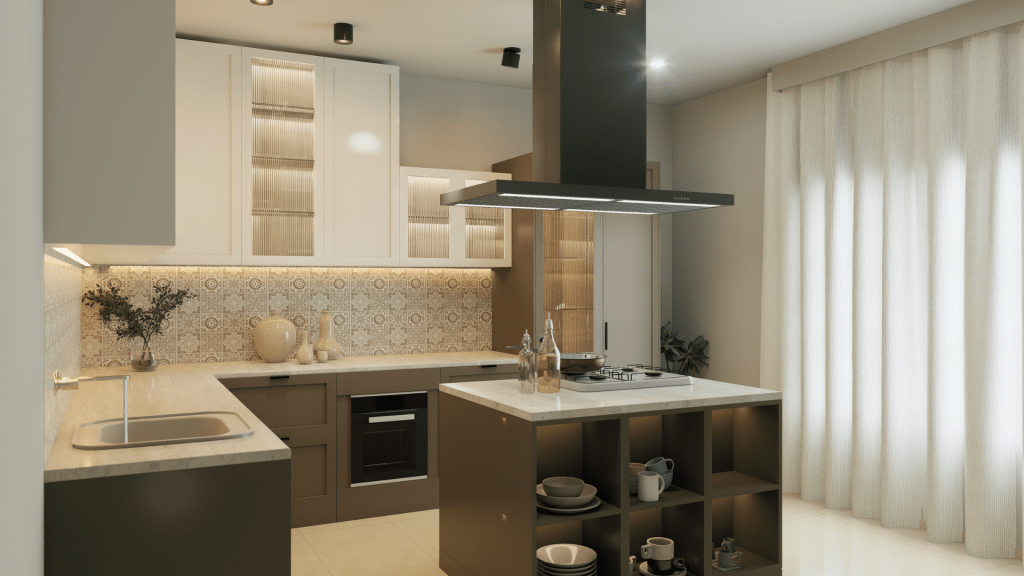
Note: Featured below are some of the premium design approaches of Bethliving of 2026
The 15-Year Reality That’s Reshaping Decisions
A home is not something people redesign every few years.In most cases, renovation happens once in 12 to 15 years. Not because homeowners don’t aspire for change—but because the process itself is disruptive, time-consuming, and capital-intensive.
It is not just a design upgrade.It is a complete reset of daily life.Which means every decision made during that phase carries long-term consequences.A kitchen, a wardrobe, or a storage system installed today is expected to function reliably for over a decade.And yet, much of what goes into these spaces is still chosen primarily for how it looks in the moment.
The Gap Between Design and Reality
This is where a critical gap exists.
Interiors are often optimised for:
- immediate visual appeal
- budget alignment
- speed of execution
But over time, everyday realities begin to surface.
Materials react to:
- humidity
- heat
- constant usage
What looked flawless at handover starts showing signs of fatigue.Not dramatically, but gradually—until maintenance becomes inevitable.
A Question the we Can No Longer Ignore
If a home is designed to go without renovation for 15 years,then why are we comfortable installing systems that may begin to deteriorate in 5?Why is durability still treated as an upgrade, rather than a fundamental requirement?And why does the decision still lean so heavily toward aesthetics, when the lifecycle of the product tells a very different story?
The 2026 Shift: From Visual Appeal to Lifecycle Thinking
A more informed homeowner is emerging.One who looks beyond catalogues and surface finishes.The questions are changing:
This marks a shift from design-led decisions to lifecycle-led thinking.
Durability Is No Longer a Trade-Off
For a long time, there was an assumption:Durability comes at the cost of design.That is no longer true.Advancements in materials, manufacturing, and systems now allow homes to be:
- aesthetically refined
- structurally robust
- easier to maintain over time
The idea is no longer to choose between beauty and strength—but to integrate both seamlessly.
Redefining What “Premium” Means in 2026
Premium is no longer about how a space looks on day one.It is about how consistently it performs over years of use.A truly premium home is one that:
- does not demand frequent repairs
- does not degrade silently
- does not require periodic reinvestment
It holds its quality over time.Quietly. Reliably.
The Direction the Industry Is Moving Toward
The next phase of interior design will not be led only by aesthetics.It will be shaped by:
- performance
- longevity
- engineering precision
Homes will increasingly be seen not just as designed spaces—but as systems built to endure real life.A home is a long-term decision.And when that decision spans 10–15 years, durability is not an optional feature—it is central to the outcome.Because the true measure of a well-designed home is not how it looks when it is completed……but how it continues to look and perform, year after year.
Emerging Trends in 2026,Where Design Elementse Meets Engineering
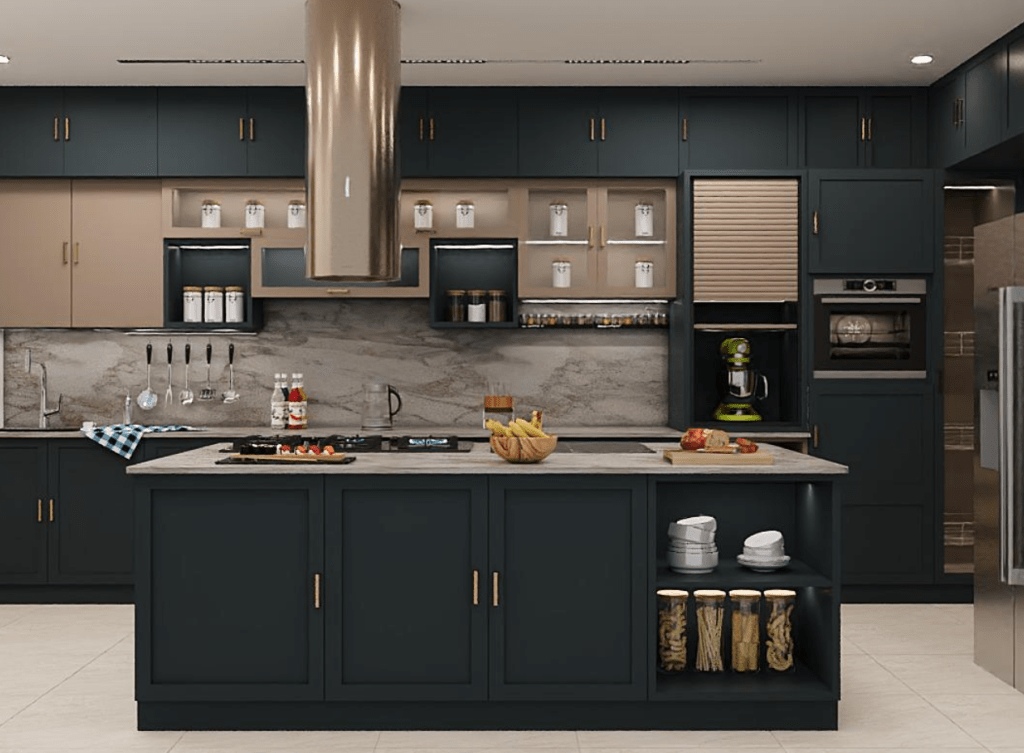
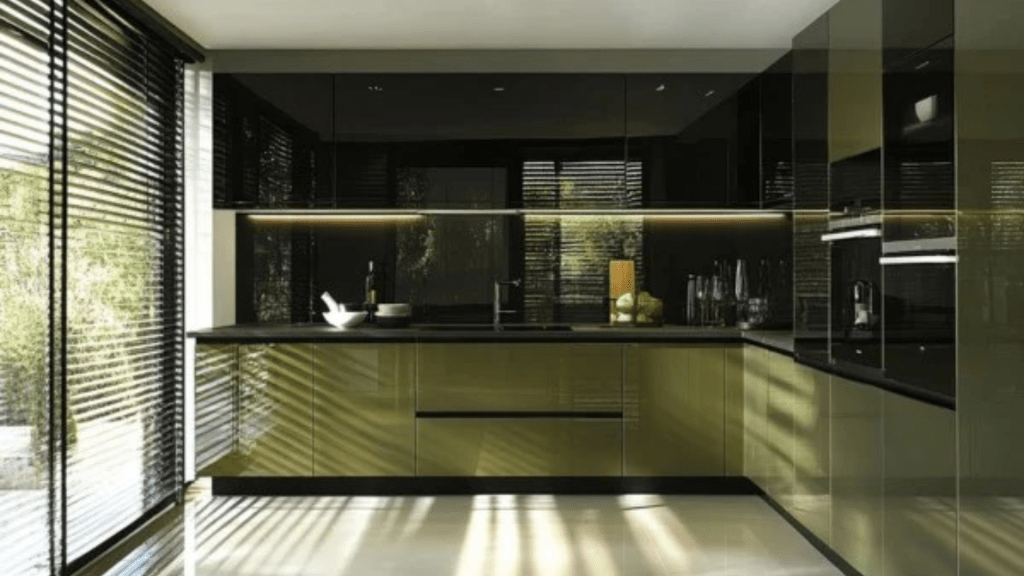
The featured images across this page represent emerging interior trends that are seeing strong traction in the current year.These are not just aesthetic directions — they reflect a shift in how modern homes are being designed: towards precision, longevity, and integrated functionality.At Bethliving, we do not simply follow trends.We engineer systems that can support these trends safely, reliably, and over decades of use.
Our Bethliving 5th Generation Designs, developed through continuous R&D and backed by multiple intellectual property innovations, are built to align with these evolving preferences — without compromising on safety.
1. Structured Elegance with Defined Panels
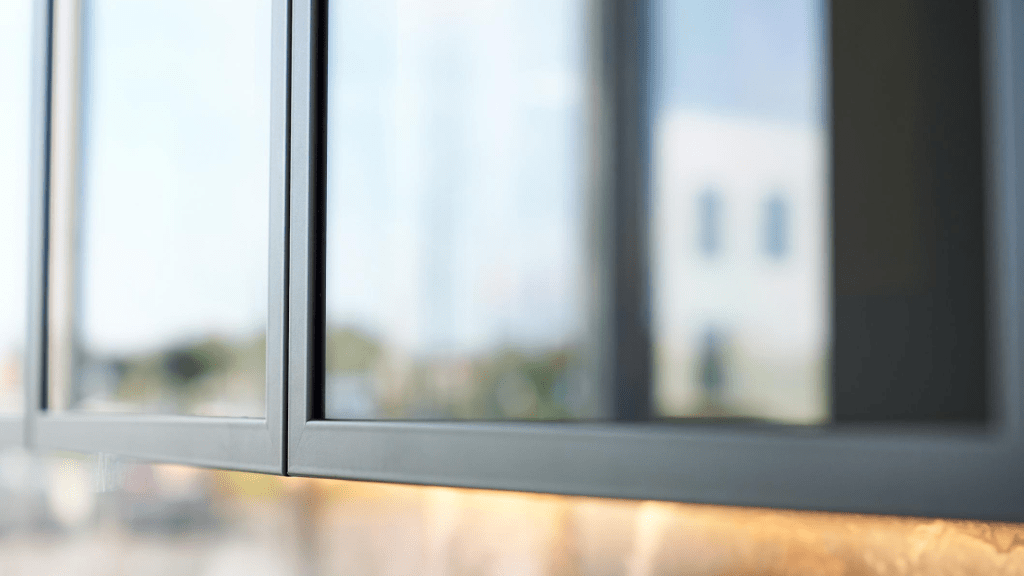
There is a growing shift toward structured, panel-based designs that bring depth and visual character to interiors.Key elements include:
• Defined panel geometries
• Framed shutter designs
• Use of glass inserts within engineered metal frames
• Balanced proportions that create a sense of order and refinement
This direction moves away from flat, plain surfaces and introduces controlled detailing with precision.Bethliving enables this through engineered metal panel systems, ensuring that even detailed designs remain:
• Structurally stable
• Perfectly aligned
• Long-lasting
2. Minimalism with Hidden Precision
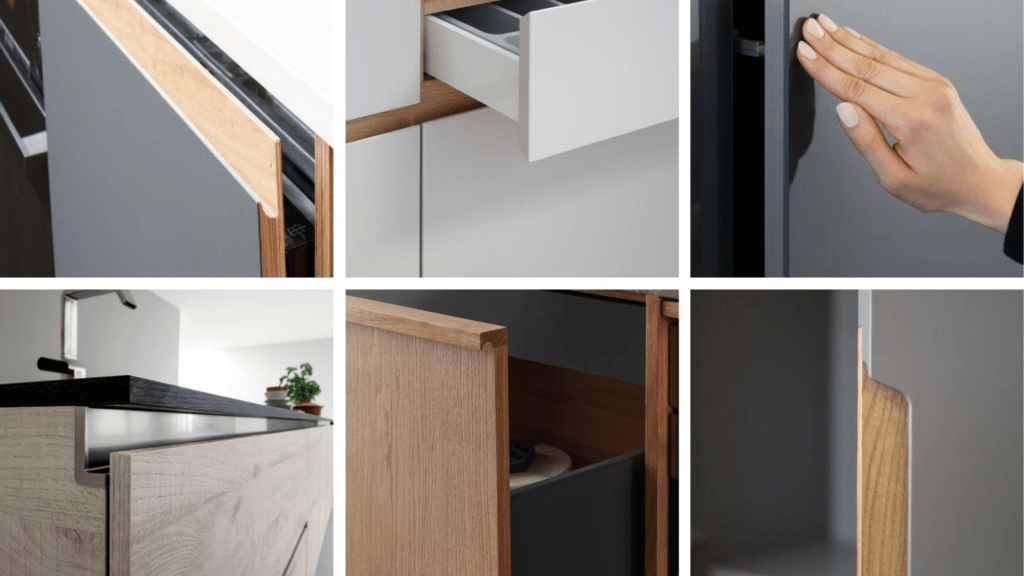
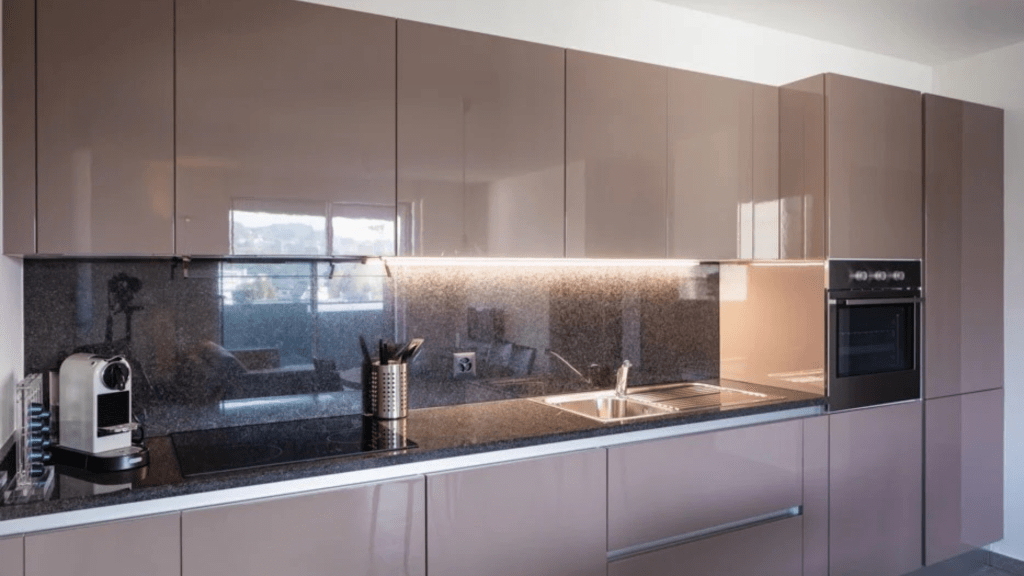
Minimalism continues to evolve — but with a stronger focus on engineering precision.Modern interiors are moving toward:
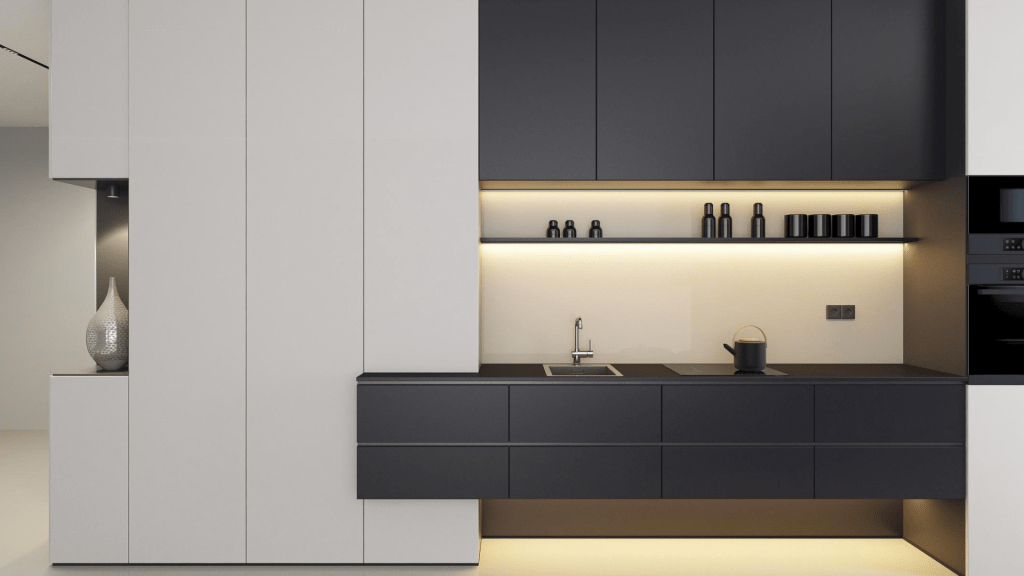
Handle-less cabinet systems
Visually hidden Gola profiles
Seamless, uninterrupted surfaces and
Bethliving wisely acclaimed T-roc handles
Adding to this refinement is the use of Gold PVD-finished handles and profiles, introducing understated elegance without visual clutter
These designs demand extremely tight tolerances and alignment.Bethliving’s systems are engineered to deliver consistent precision, ensuring that minimal designs remain clean, functional, and reliable over time.
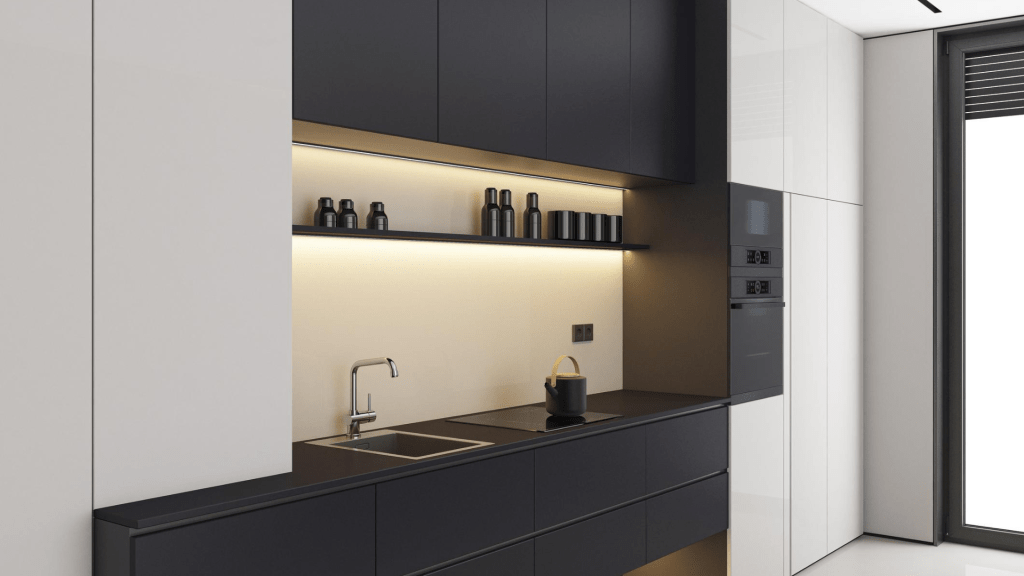
3. Integrated Lighting as a Core System
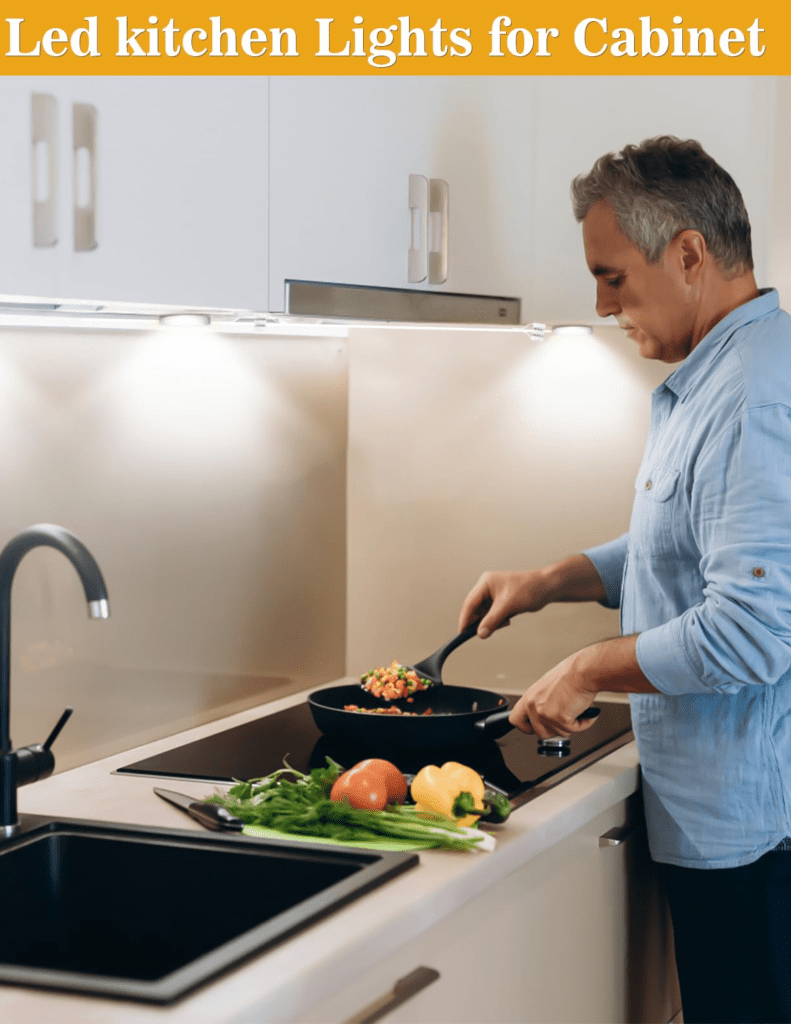
Lighting is no longer an afterthought.It is becoming an integral part of the interior system itself.Emerging trends include:
• Inbuilt lighting within modules
• Factory-fitted lighting systems
• DC-operated solutions for efficiency and safety
• Optical and sensor-activated lighting
These systems enhance both:
• Functionality — improved visibility inside cabinets and drawers
• Experience — soft, layered illumination within the space
Bethliving integrates lighting at the design and manufacturing stage, ensuring:
• Clean integration
• Electrical safety
• Long-term reliability
4. Subtle Colours and Refined Finishes
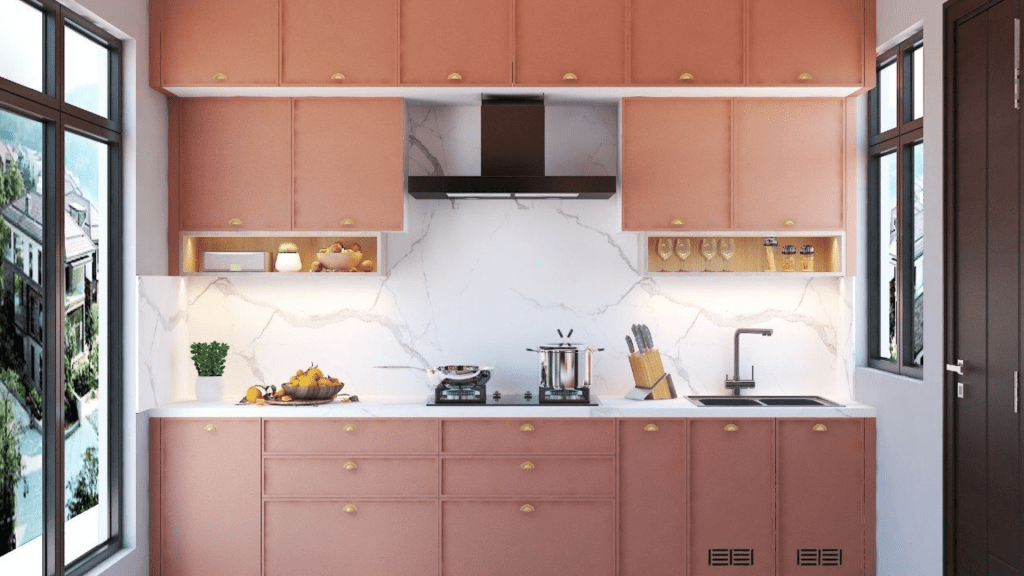
Colour trends are shifting toward subtle, calming palettes.Popular choices include:
• Pastel tones
• Muted neutrals
• Soft earthy colours
• Matte and refined surface finishes
These palettes create interiors that feel calm, spacious, and timeless.Bethliving’s engineered finishes are designed to maintain:
• Colour consistency
• Surface stability
• Long-term visual integrity
Designed for the Future, Built for Safety
Trends will continue to evolve.But what remains constant is the need for interiors that are:
• Safe
• Durable
• Engineered for long-term performance
Bethliving’s continuous innovation has resulted in15+ Intellectual Property Developments
Bethliving 5th Generation Interior SystemsEvery generation has improved:
• Safety standards
• Structural strength
• Precision engineering
• Design compatibility with emerging trends
The Bethliving Approach
At Bethliving, design and engineering are not separate.They are one integrated system.Our Bethliving 5th Generation Designs are built to support evolving aesthetics while maintaining the highest standards of:
Zero Wood
Zero PUF
Safety First
Because the future of interiors is not just about how they look.
It is about how they perform, endure, and protect the people living around them.