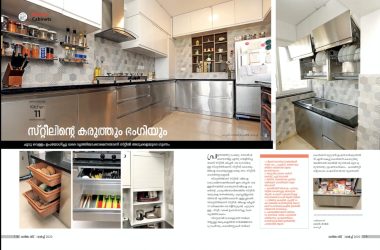





Stainless steel is hard-wearing and easy to clean , making it an ideal material for the kitchen. Just a little warning: clean the surfaces well.
Stainless steel kitchens are in particular demand in the domestic market. Durable, hygienic, and with a strong personality, they are truly considered a long-term investment. On one condition: the stainless steel must be properly cleaned. This is because by cleaning stainless steel properly, you will get a spicy, spotless kitchen without stains and scratches, making it more durable. In fact, stainless steel can lose its shine and luster over time, wear, and take on a dull appearance.
Table of Contents
- How to ensure proper cleaning and maintenance of stainless steel in your kitchen
- What NOT to do
- Do not use abrasive sponges or metal wire pads
- Do not use bleaches and detergents based on chlorine or iodine.
- After each wash, dry the stainless steel or even soak it with a few drops of water.
- Do not leave scissors or other iron objects on stainless steel surfaces (especially if they are wet or even just wet)
- Avoid long-term contact with acidic foods
- What NOT to do
- Keep your stainless steel kitchen looking brand new with our easy cleaning tips.
In particular, take care of the most worn areas (such as the sink and hob) where water and dirt accumulate. Also, regularly remove smudges or fingerprints left on stainless steel surfaces, especially on the top, doors, and around handles.
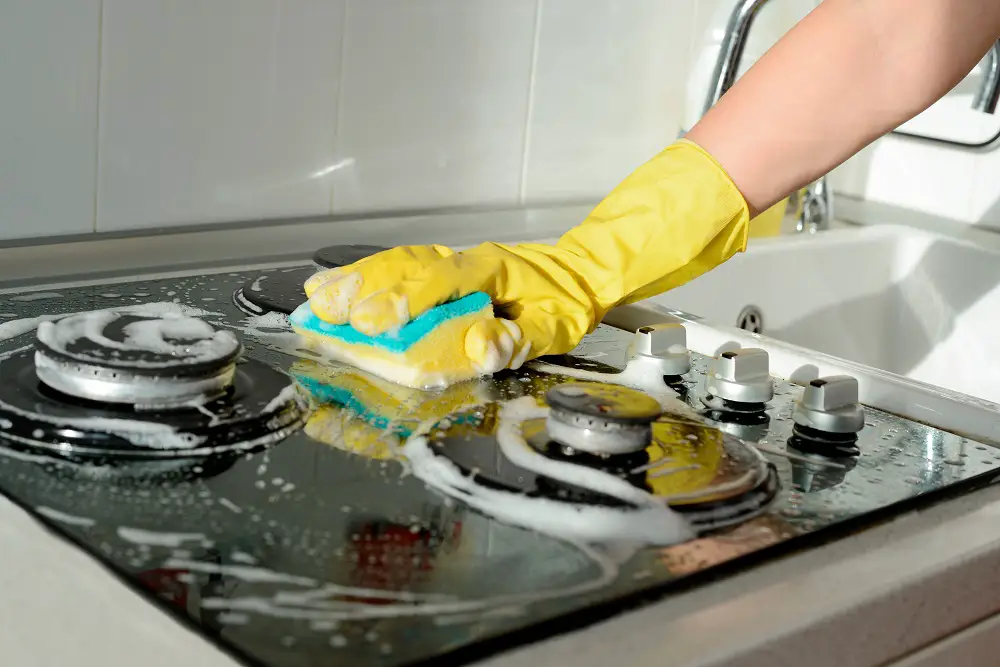
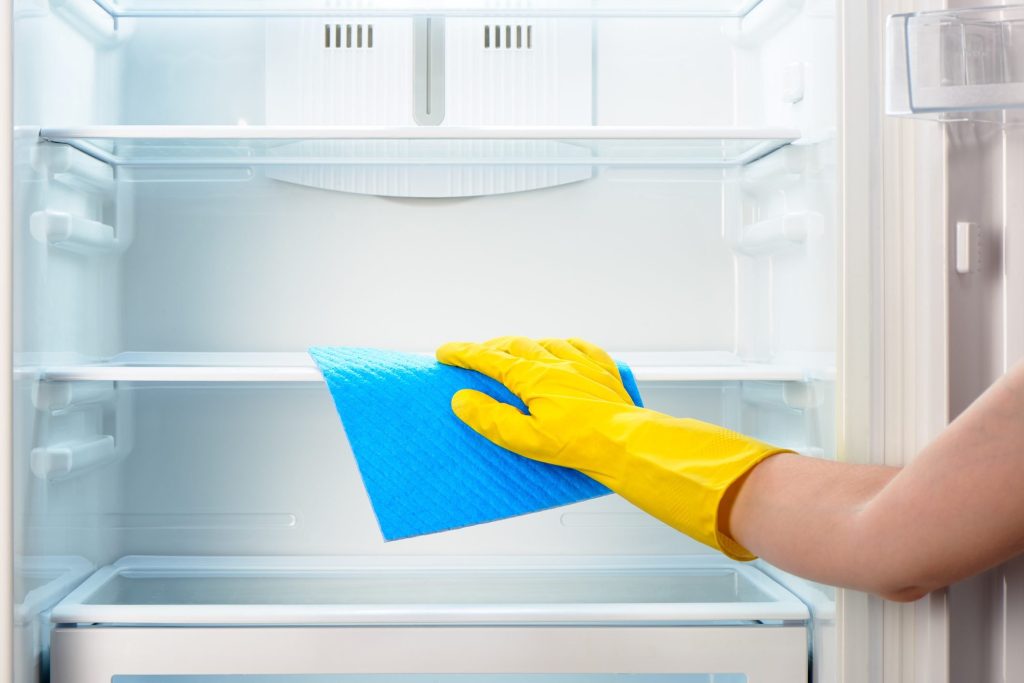
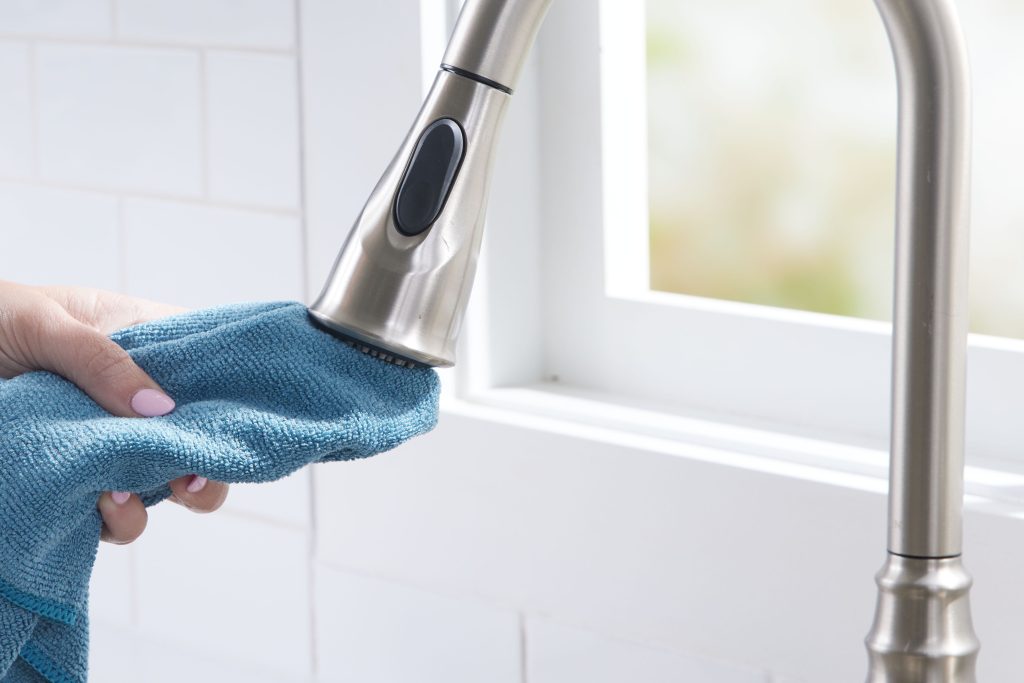
So what should we do ? The good news is that cleaning stainless steel is easy. The proof is the extraordinary success of this material in professional restaurants and catering companies, where wear is more important than in the home kitchen and where the cleaning and design of stainless steel must be as easy as possible. Just follow a few simple basic rules.
Let’s learn together how to clean a stainless steel kitchen without scratching or damaging this attractive and distinctive natural material in any way.
How to ensure proper cleaning and maintenance of stainless steel in your kitchen
What NOT to do
As we have already mentioned, stainless steel is an almost timeless material when properly cared for. It is very resistant to impacts, corrosion, and high temperatures. It is biologically pure and, therefore, antibacterial. And thanks to the smooth surface, it is very easy to clean. However, there are a few things that must be avoided at all costs so as not to compromise its properties.
Do not use abrasive sponges or metal wire pads
This may seem like an obvious thing to point out, but in reality, a few people have done it wrong, causing scoring and even clear scratches on the stainless steel surface. You don’t need to scrub stainless steel to remove tough dirt. The use of certain preparations is sufficient.
Do not use bleaches and detergents based on chlorine or iodine.
In fact, these substances reduce the corrosion resistance of stainless steel and reduce its shine and luster. If, unfortunately, they come into contact with stainless steel, our advice is to immediately wash your face with plenty of water.
After each wash, dry the stainless steel or even soak it with a few drops of water.
When water dries on stainless steel, it leaves stains on the surface due to the lime it contains. The “harder” the water—in other words, the more lime-rich it is—the more visible these ring marks are.
Do not leave scissors or other iron objects on stainless steel surfaces (especially if they are wet or even just wet)
This small measure will prevent unsightly rust spots that are difficult to remove.
Avoid long-term contact with acidic foods
Stainless steel has good acid resistance. However, prolonged contact with acidic foods can cause damage and deterioration. Therefore, do not leave acidic foods (or food residues, e.g. fruit peels) on the stainless steel surface for a long time. Be especially careful of citrus fruits (not even worth it! ), tomatoes, strawberries, berries, kiwi, etc.
Keep your stainless steel kitchen looking brand new with our easy cleaning tips.
What to do
Now that it is clear what not to do, we can give you some practical suggestions on how to clean stainless steel. Avoid long-term contact with acidic foods
1. Use neutral, non-aggressive cleaning agents.
For routine surface maintenance or to remove food stains or the inevitable “fingerprints” left on stainless steel, simply use ethyl alcohol (or a solution of water and alcohol). The liquid can be sprayed directly onto the surface or evaporated and then wiped off with a soft, dry cloth. A glossy, glossy effect is guaranteed.
2. Use natural solutions for general cleaning
You can also use natural solutions, such as vinegar and lemon, to clean stainless steel. The first of these can be used to disinfect and polish stainless steel and remove fingerprints from our hands. Lemon is an excellent degreaser and scale remover. In this case, just sprinkle lemon juice on the lime stains, leave it on for a while, and then wash it off. We recommend these two natural remedies because they have the distinct advantage of being green and effective.
3. Always use a soft, dry cloth.
It is better to use a cotton cloth or some soft kitchen rollers to clean the stainless steel. The kitchen roll or cloth must also be changed regularly and must be completely clean and dry, otherwise they may leave ring marks.
For better results, we recommend cleaning the orbitally polished stainless steel with circular movements with a cloth.


4. Use sodium bicarbonate or specific products for stubborn stains
The use of sodium bicarbonate mixed with a little warm water is very effective for stubborn dirt. The result is a thick cream that you have to apply to the surface of the stainless steel and let it work for a few minutes, then wash it off and dry the surface with a microfiber cloth.
In addition, there are specific products available on the market, such as cream cleaners, for exceptional cleaning of stainless steel surfaces. Just rub the cream gently over the surface with a damp cloth, leave it on for a few seconds, rinse with water, and then wipe with a dry cloth. The result is guaranteed.
Conclusion
Pay attention to the type of stainless steel used in the construction of your kitchen
If you’ve read all our tips and tricks on how to clean stainless steel, we have one last warning: pay attention to the type of stainless steel. In fact, this is because not all stainless steels are created equal. The safest, most durable, and most food-safe stainless steel is 304 stainless steel . Specifically, the same stainless steel used in professional restaurant kitchens, on pots, pans, cutlery, etc. Many kitchens currently on the market are not made of this type of stainless steel, which has been shown to be softer, less rigid, which therefore less durable. Always check this information before buying to avoid unpleasant surprises when you get a new kitchen for your home.
Bethliving introduces modular home décor furniture in Steel and Stainless Steel.
Our products transform your home into a fresh, modern looking one, giving your home a contemporary decor. For free consultation, kindly Contact us or call us at +91 96638 83377