

A look at the ideal materials that can be used in home décor on the basis of sustainability and durability in our times assumes profound importance given the need to reduce the extent of stress we put on the environment as a species. The need to switch to more eco-friendly options like EV and Green hydrogen is an example of how we are moving towards reducing our load on mother earth. There is an urgent need to move in a direction to take less than what mother earth can replenish and avoid what can’t be replenished and recycled
Eco-Friendly Alternatives: Choosing Steel Over Wood in Home Decor
The use of wood products in home decor is a common practice, but it is not always environmentally friendly. There are several reasons why one should avoid wood products and switch to more eco-friendly alternatives, such as steel and stainless steel.
First and foremost, the production of wood products has a significant impact on the environment. The process of cutting down trees, transporting the logs to a sawmill, and processing the wood into usable products requires a significant amount of energy and resources. Additionally, many wood products are imported from other countries, leading to further environmental damage from transportation.
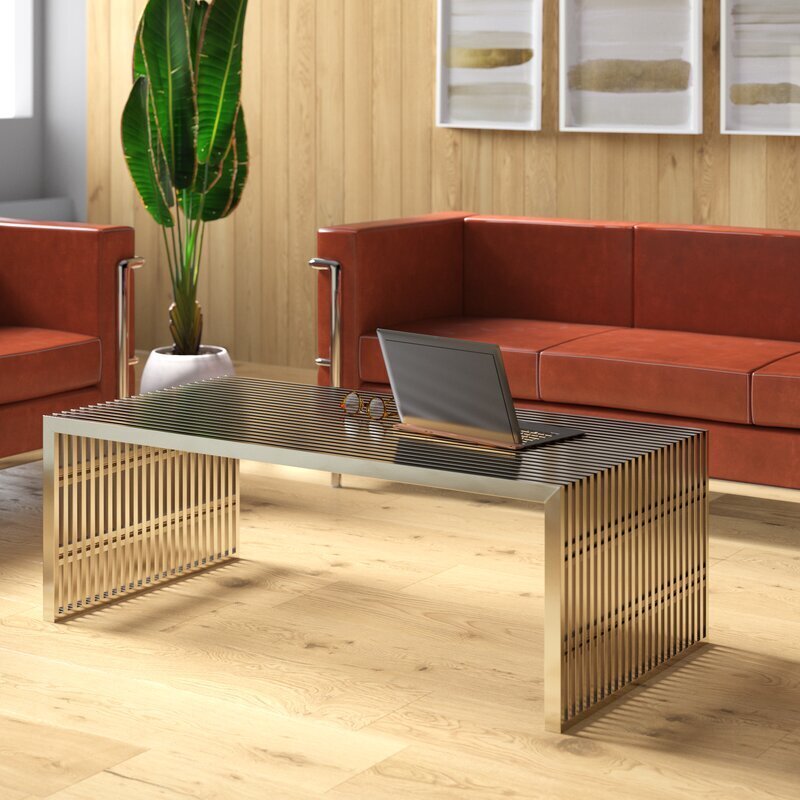
On the other hand, steel and stainless steel are much more sustainable options. These materials are produced using significantly less energy and resources than wood, and they can be easily recycled at the end of their useful lives.
Furthermore, many wood products are treated with chemicals, such as pesticides and fungicides, which can have harmful effects on the environment. Steel and stainless steel, on the other hand, are not treated with any chemicals, making them a safer and more sustainable option.

Another advantage of steel and stainless steel is that they are much more durable than wood. They are resistant to rot, insects, and fire, which means they will last longer and require less maintenance.
This reduces the need to constantly replace wood products, which further reduces the environmental impact.
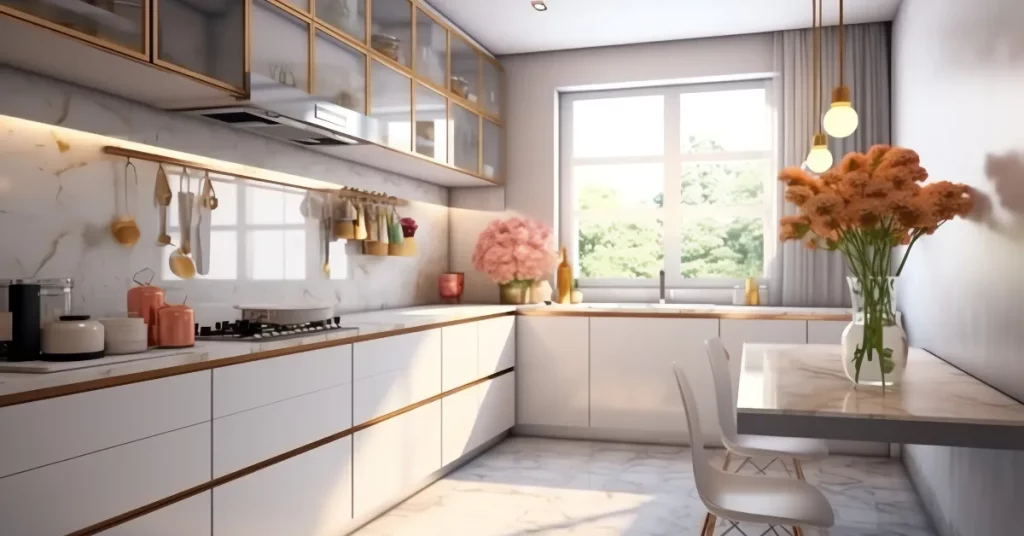
There are many reasons why one should avoid wood products and switch to more eco-friendly alternatives, such as steel and stainless steel. These materials are more sustainable, durable, and safer for the environment. By making this switch, we can help to protect our planet and ensure a better future for generations to come.
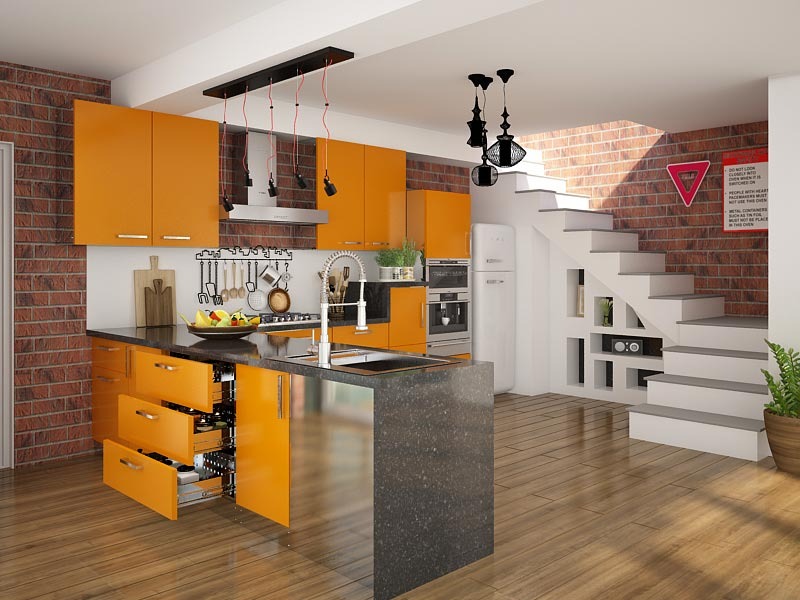
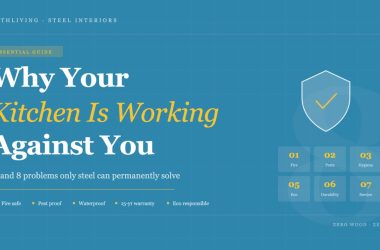
Switching to steel from wood or wood derivatives has reasons beyond that too, the products are more hygienic, fire safe, pest safe, water-safe, durable, etc. The reasons can go on.
Embrace a #zerowood lifestyle by choosing sustainable steel and stainless steel materials
To discover eco-friendly alternatives that promote longevity and environmental responsibility
Drawbacks of Hybrid Modular Kitchens: Considerations Before Installation
Hybrid modular kitchens, however, which combine traditional cabinetry with pre-fabricated modular units, have been gaining popularity in recent years. However, there are several reasons why these types of kitchens should not be used.
- First, hybrid modular kitchens often lack the durability and longevity of modern alternative products made of steel and stainless steel. The pre-fabricated units used in these kitchens are often made from lower-quality materials, which can easily wear and tear over time. This can lead to costly repairs and replacements down the road.
- Second, hybrid modular kitchens can be more expensive than traditional cabinetry. The cost of the pre-fabricated units and the labor required to install them can add up quickly, making these kitchens more expensive than traditional cabinetry.
- Third, hybrid modular kitchens can be more difficult to customize. Because the pre-fabricated units are designed to fit a specific size and layout, it can be difficult to make adjustments or changes to the kitchen. This can make it difficult to create a truly unique and personalized space.
- Finally, hybrid modular kitchens can be less environmentally friendly than traditional cabinetry. The pre-fabricated units used in these kitchens are often made from materials that are not as sustainable or eco-friendly as traditional cabinetry.
Conclusion
In conclusion, while hybrid modular kitchens may seem like a convenient and cost-effective option, they ultimately lack the durability, customization, and environmental sustainability of traditional cabinetry. For these reasons, it is best to avoid using hybrid modular kitchens. Reach out to us to explore how you can create a stylish and sustainable kitchen space without compromising on quality.