




Being more conscious of your decorating decisions doesn’t have to be difficult. In reality, being eco-friendly can suit any type of budget and design style. But if you’re not sure where to start, we thought who better to consult with questions about where and what to buy (or not to buy) when blending style and sustainability than the experts themselves?
Whether you’re looking to freshen up your chic Toronto, ON, apartment, or exploring ideas to upgrade your Miami, FL, home, we’ve got you covered. Read on for eco-friendly decor tips to give your pad a green makeover. Opt for quality over quantity
- 1) As Vivienne Westwood put it, ‘buy less, choose well, and and make it last.’ Less than 10% of plastic gets recycled, and we’re now each ingesting a credit card’s worth of microplastics a week. While it may feel fun, skip that cheap tchotchke or seasonal décor. Ask yourself if it’s an item you’d be happy to pass on on to the next generation—not make it their problem to deal with in a landfill. –Sustainable Travel & Living. Buy pre-loved.
- 2) The best way to reduce your carbon footprint and minimize waste when decorating is to buy pre-loved furniture. Check out Facebook Marketplace, Kijiji, and Kaiyo. These platforms offer a wide selection of furniture brands and items for every budget. You can also earn bonus points by selling your existing furniture instead of sending it to the landfill, where it would release potent methane for years. –Goodside.
- 3)If you’re looking for a stylish and sustainable way to decorate, consider a resale marketplace for your next piece of furniture. The gently used furniture market is full of unique vintage items and pre-loved pieces from recognized home furnishing brands. These items are available at a fraction of the original cost. Furniture made from wood, glass, metal, leather, or marble ages beautifully. These pieces move quickly on AptDeco. The lived-in look is what makes a home go from cool to cozy. – AptDeco
- 4) The best way to sustainably style your home is to choose used furniture over buying new. Frequenting thrift stores like Habitat for Humanity, ReStore, or online shopping forums like Facebook Marketplace and community freecycle pages are eco-friendly and cost-effective. And if you don’t love the way a piece looks – paint it with chalk paint from a planet-conscious company and make it your own. –The Restored Dogwood. Choose your household products carefully
- 5) When decorating a home, indoor air quality is essential to having a healthy, eco-friendly, and sustainable environment. You might not see the air, but it is as important as artwork and furnishings. Some things you can do are the following: add plants, open windows, buy an air purifier, take your shoes off at the door, air our dry cleaning and change out your cleaning supplies for non-toxic ones. –The Green Living Gurus. Learn proper waste disposal methods
- 6) Properly dispose of hazardous wastes: batteries, paint and chemicals, lightbulbs, and electronics. Recycling is one of the top and most cost-effective ways to reduce waste at home and the workplace. Be sure to have a hazardous waste recycling policy that stretches beyond simply paper and plastics to ensure the greatest amount of waste is diverted from landfills. –Green Business Bureau
- 7) One of the most important parts of completing DIY projects is knowing how to properly store and dispose of chemical products or use alternatives, such as coffee or tea, instead of stain. Proper use of these chemicals prevents fire hazards and water contamination. You can Google “hazardous waste collection” with your city and state to find more information about local disposal centers. –The Sociable Home. Go vintage
- 8) After determining a new layout, consider where you can replace ‘fresh-from-the-factory’ with repurposed materials or vintage items. Whether it’s a floor made of reclaimed old-growth wood, recycled marble for a vanity top, or a rewired antique light fixture for the foyer, you are creating a special interior while keeping a piece of the planet intact by eliminating the inevitable damage caused by extracting virgin materials. –Living Being Design
- 9) Add character to your home by purchasing a piece of refinished vintage furniture. This gives an old piece a new life and keeps it out of the landfill. You can also get tips from a local (or online) professional so that you can learn how to refinish something yourself. –Callista Faye Creative. Upcycle items you already own
- 10) Use what you already own – think candle jars for planters, mason jars for organizing office supplies or kids’ art supplies, or repurposed glass jars for bulk goods. I also enjoy labeling my pantry items with an embossing label maker to add a clean, unified look. You can also find sustainable products that reflect your personal style. For example, I have a sleek graphite compost bin and indigo shibori unpaper towels. –Sustainable For Good. Reclaim second-hand furniture
- 11) If price is a design factor, consider older furniture. It is historically well-constructed and can be repurposed, refinished, reupholstered, and reimagined to suit your taste. This keeps furniture out of landfills and reduces the carbon footprint from transportation. -Todd Howard Ezrin, ASID, LEED AP, Principal, TOBE Design Group. Say yes to natural, recyclable, or sustainable materials
- 12) When decorating your home in an eco-friendly way, go with the seasons and see what nature offers. Buy a big basket of flowers, fresh fruits, and vegetables from your organic farmers market. Arrange it on your dining table or in the living room. Decorate with tulips in spring. Use a huge bowl of fruits in summer. In autumn, have a plate full of pumpkins and greens. For winter, use chestnuts and lovely smelling oranges with cloves. All vegan, compostable, and zero waste. –Wegozero
- 13) Steel and stainless-steel home interiors designed and manufactured with present-day technology fit the bill perfectly on sustainability and style. Modern technology has made many options available to us, and both have better standards of hygiene, as well as water, fire, and pest resistance. For too long, we have been consuming more from nature than it can replenish. Our wood consumption for our home interiors costs us hectares of forest every second and is no longer sustainable. –Bethliving
- 14) Select natural fabrics when possible. Beyond offering comfort and beauty, cotton, linen, and wool fabrics often use fewer (or no) chemicals in production than synthetic options and biodegrade more naturally over time. Bamboo silk offers a luxurious vegan alternative that is excellent for plush, eco-friendly rugs. Natural fabrics may also provide a tactile experience that inspires a connection to nature, contributing to biophilic home design. –Kale Tree Shop
- 15) Handmade and ethically sourced wool felt decorations and home accents are wonderful and affordable ways to brighten your home while doing good for the planet and the artisans who create them. Plus, they are reusable and compostable at the end of their life. –Friendsheep. Incorporate greenery into your space
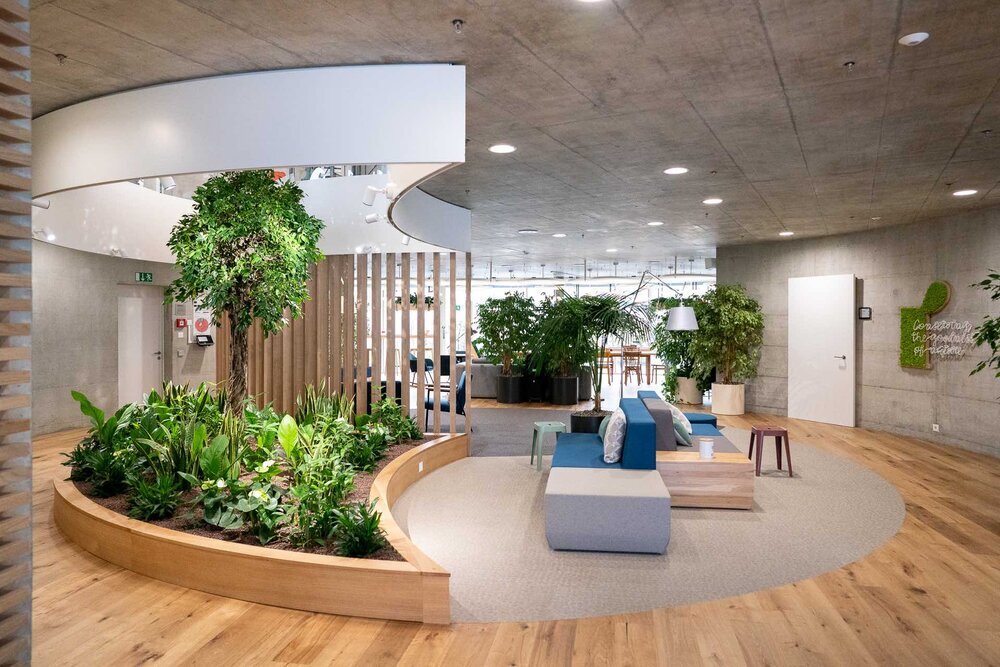
- 16) You can create an eco-friendly and uplifting space by simply bringing nature back into the home or workspace. House plants or nature-inspired imagery that inspires you offers a moment to reconnect with nature throughout your day. Studies have proven that immersing yourself in nature positively affects health and well-being. It also boosts creativity, focus, and productivity. -Claire Victoria Bishop from Rewild the Frame
- 17) Skip the plastic decorations; have houseplants instead. Not only do they look great, but they also purify the air of your home. Some hardware stores and plant stores have free used pots you can take home to save money and avoid buying new items. Copy That Co. Pick versatile decor and furnishings
- 18) When it comes to decorating, choose functional pieces that serve a purpose rather than items used purely for decoration. Some examples of functional pieces are candles, books, mason jars (which can be used as vases), and of course, live plants, which can help purify the air. –Eco Girl Shop
Transform your home with eco-friendly decor!
Discover how natural materials, upcycled items, and indoor plants can make your space stylish and sustainable