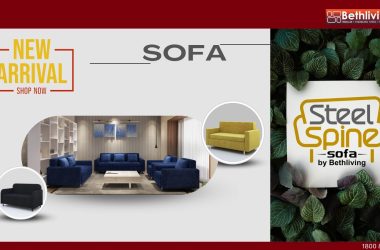





As environmental concerns reach a critical tipping point, the urgency to shift industries toward sustainability has become a focal theme in global conversations. With COP29 setting ambitious goals to curb climate change, industries worldwide are expected to align their objectives with reducing emissions, minimizing waste, and preserving natural resources. Among these industries, the home interior and furniture sector plays a crucial role in driving sustainable solutions due to its extensive use of raw materials, energy, and manufacturing processes. Bethliving, a brand that has embedded sustainability in its core from its inception, is leading this transformation by leveraging recyclable steel and stainless steel. By doing so, Bethliving exemplifies COP29’s vision of responsible production, setting a new standard in eco-friendly furniture design.
The Evolution of Responsibility in the Home Interior and Furniture Industry
The modern home interior and furniture industry is in a state of transformation, as consumer expectations increasingly favor eco-conscious, sustainable, and high-quality products. Traditional furniture manufacturing relied on practices that consumed finite resources, produced substantial waste, and emitted considerable carbon. Today, however, the industry’s responsibilities extend far beyond aesthetics and functionality. As global climate issues intensify, the furniture sector faces new responsibilities that align with COP29’s sustainability goals:
- Sustainable Material Sourcing:The materials chosen in furniture production influence the product’s lifespan, recyclability, and environmental impact. With sustainability in mind, brands are shifting from traditional wood and synthetic materials toward more durable and recyclable options, such as steel and stainless steel.
- Eco-Friendly Manufacturing: Responsible manufacturing is essential for reducing emissions and waste. Processes that minimize energy consumption, utilize renewable resources, and reduce harmful chemicals are now industry priorities.
- Quality and Durability: COP29 highlights the importance of reducing waste through longevity. Durable furniture reduces the frequency of replacements, lowering overall environmental impact by reducing the need for repeated manufacturing and resource extraction.
- Customer Education and Advocacy: An empowered customer base can drive industry change. Educating customers on sustainable options and the impact of their purchasing choices is key to promoting a circular economy.
- Industry Leadership in Sustainability: As one of the primary influencers of sustainable practices, the furniture industry has a responsibility to lead the charge in adopting eco-friendly innovations and setting standards for sustainability.
Bethliving has recognized and acted upon these responsibilities since its inception. By choosing recyclable, durable materials and fostering a brand ethos centered on environmental responsibility, Bethliving has effectively preempted COP29’s declarations, aligning its mission with the pressing global need for sustainable change.
COP29’s Core Declarations and Their Impact on the Furniture Industry

The COP29 summit laid down pivotal declarations that call for immediate, sustainable action across industries to tackle climate change. Key objectives include achieving net-zero emissions by 2050, promoting a circular economy, and significantly reducing industrial waste. COP29 underscores that without a global shift toward these practices, climate change effects could reach irreparable levels. For the furniture industry, COP29’s guidelines emphasize the following:
- Adopting Circular Materials: Industries are encouraged to minimize waste through circular production methods, which rely on recyclable, renewable materials that reduce landfill contributions. Bethliving’s dedication to recyclable steel and stainless steel addresses this directive directly, making it a trailblazer in circular furniture design.
- Carbon Emission Reduction: COP29’s roadmap for industries highlights the necessity of reducing carbon footprints through cleaner, more efficient production processes. By focusing on long-lasting materials that minimize frequent replacements, Bethliving’s model reduces the cumulative emissions associated with continuous manufacturing and product disposal.
- Waste Minimization through Design: COP29 calls for a decrease in industrial waste, urging companies to design products with end-of-life recycling in mind. Bethliving’s steel-based furniture offers a solution that ensures its products remain in the circular economy, easily recycled and reused without degrading in quality.
- Environmental Impact Education: COP29 places importance on educating consumers about sustainable choices, promoting transparency regarding the environmental impacts of products. By engaging customers in Bethliving’s sustainability initiatives, the brand aligns with COP29’s advocacy for informed consumer choices that support long-term environmental goals.
Bethliving’s Sustainability Initiatives with Recyclable Steel and Stainless Steel
Bethliving has embedded COP29’s principles into its manufacturing ethos from day one. By utilizing recyclable steel and stainless steel, Bethliving has created a product line that embodies durability, recyclability, and aesthetic appeal—key elements that resonate with COP29’s directives. Here’s how Bethliving’s approach exemplifies a commitment to sustainable practices:
- Circular Economy in Action: Steel and stainless steel are among the most recyclable materials, able to be reused multiple times without losing integrity or quality. Bethliving’s products can easily re-enter the production cycle, ensuring minimal resource depletion and waste.
- Durable, Low-Maintenance Products: The longevity of steel-based furniture is a significant advantage in a world striving to reduce waste. Bethliving’s use of stainless steel ensures that its furniture is built to last, reducing the need for frequent replacements and, consequently, the environmental toll of continuous manufacturing.
- Sleek, Functional Design: While sustainability is a priority, Bethliving also prioritizes customer satisfaction with stylish, functional furniture that meets modern tastes. By creating high-quality, low-impact products, Bethliving demonstrates that sustainability and design can co-exist.
Industry-Wide Impact: The Benefits of Sustainable Choices

Bethliving’s use of recyclable materials not only aligns with COP29 but also benefits the wider furniture industry by setting a standard for sustainable business practices. By prioritizing eco-friendly processes and recyclable materials, Bethliving’s approach provides a model for the broader industry to adopt:
- Reduction of Carbon Emissions: Steel and stainless steel production, while energy-intensive, can be managed in ways that reduce net emissions compared to other materials, especially when recycled. By minimizing the need for raw material extraction, Bethliving’s use of recyclable steel aligns with COP29’s goal of reduced carbon footprints.
- Waste Reduction and Landfill Diversion: The lifecycle of steel and stainless steel products is far longer than that of traditional materials, which often end up in landfills. By opting for materials that remain viable even after their primary use, Bethliving contributes to a lower waste footprint.
- Empowering Consumers: Consumers today are increasingly eco-conscious, and by offering sustainable options, Bethliving empowers its customers to make responsible choices. By investing in Bethliving’s recyclable furniture, consumers actively participate in a sustainable, circular economy.
- Industry Transformation: Bethliving’s commitment to COP29-aligned practices sends a message to the wider industry, encouraging competitors and partners alike to consider sustainable alternatives. This industry-wide shift supports a larger movement toward eco-friendly practices, as each company that embraces sustainability creates a ripple effect.
The Vision for a Sustainable Future: Bethliving’s Long-Term Commitment
As global environmental goals progress, Bethliving is poised to continue leading the way in sustainable home interiors. The brand’s dedication to recyclable materials and low-waste design reflects a forward-thinking vision that aligns with COP29’s mission. Bethliving’s long-term goals include expanding its product range with eco-friendly materials, further reducing its carbon footprint, and continuing to educate consumers about the importance of sustainability.
Bethliving’s approach serves as a powerful example of how furniture companies can meet COP29’s objectives by adopting responsible production and material sourcing. By aligning its mission with global climate goals, Bethliving is helping drive the industry toward a sustainable future, proving that eco-friendly, recyclable products can—and should—be at the core of modern furniture design.
Challenges and Opportunities in the Path to Sustainability
Although sustainable practices are essential, the path toward full sustainability is not without challenges. Brands like Bethliving navigate several obstacles, including:
- Supply Chain Constraints: Finding reliable sources for recyclable materials and maintaining high sustainability standards across the supply chain can be challenging, especially when sourcing steel and stainless steel.
- Costs of Eco-Friendly Materials: Sustainable materials often come with a higher price tag, which may impact pricing and accessibility. However, as demand for eco-friendly products increases, economies of scale may help reduce these costs.
- Need for Consumer Education: While Bethliving is committed to sustainability, some consumers remain unaware of the environmental benefits of recyclable steel and durable furniture. Educating customers is crucial to bridging this gap and fostering widespread adoption.
However, these challenges also present opportunities for brands committed to sustainability:
- Building Consumer Loyalty: As eco-consciousness grows, brands that prioritize sustainability will likely attract and retain more loyal customers who align with these values.
- Setting Industry Standards: Bethliving’s early adoption of recyclable materials positions it as a leader, influencing competitors and setting a high standard for sustainable practices.
Call to Action: Empowering Consumers to Support a Sustainable Future
As Bethliving continues to lead in sustainable home interiors, customers play a vital role in supporting eco-friendly practices. By choosing products made from recyclable materials, consumers contribute to a circular economy and help reduce the demand for single-use, waste-intensive options. Bethliving encourages its customers to consider the environmental impact of their furniture choices, embracing the ethos that every purchase can drive positive change.
Bethliving’s COP29-Aligned Journey to Sustainability
Bethliving’s commitment to recyclable materials and sustainable practices reflects a pioneering spirit aligned with COP29’s global objectives. From the beginning, Bethliving has been a beacon for responsible production, leading the way with durable, stylish, and environmentally sound products. In an industry at a crossroads, Bethliving offers a path forward—one that not only meets but exceeds global climate goals.
Through recyclable steel and stainless steel furniture, Bethliving has set a new standard for home interiors, demonstrating that sustainability and quality can go hand in hand. As COP29 and other global initiatives continue to push for meaningful environmental action, Bethliving stands as a shining example of what is possible when a brand places sustainability at the center of its products and customer support ethos.