



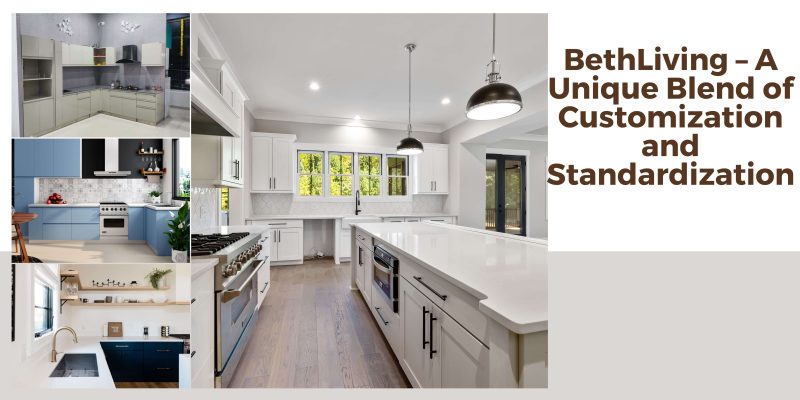
When one designs his home interior, a very commonly used word is customization. It’s so commonly used that it is equally misunderstood. This misunderstanding also leads to serious misadventures in home décor. Let’s understand these two terms clearly.
Table of Contents
Standardization
Standardization is the process of implementing and developing technical standards based on the consensus of different stakeholders like companies users, interest groups, standards organizations and governments.
So in the home décor parlor, we say sliders would be 300, 350, 400, 450, 500, 550, etc., not an odd number like 571 mm. Similarly, in sofas, we have one, two, three, and four-seaters, not two and a half-seaters. Each seat width is standardized either at 500 mm or 550 mm. Kitchen doors are standardized to 300, 350, 400, 450, etc., not an unusual number of 421 mm. These are general conventions we follow around the world as part of standard engineering practices.
The question is, why do we have to standardize? The purely technical answer is “Standards facilitate everyday life. They increase safety and can be used to rationalize operations. Standardization ensures that products, services, and methods are appropriate for their intended use. It ensures that products and systems are compatible and interoperable.”
To explain this, let’s think of an unusual-sized car with unusually big wheels. It’s technically feasible; however, if one goes down that route, it will call for a series of matching parts from the entire drive chain to the engine and brakes to be altered with unique parts. This poses two major problems. First, it demands a special process for each unique part, thereby pushing up the cost. But more often than not, to keep the cost under check, compromises are made in the process and parts. Secondly, it poses an insurmountable problem of maintenance because of the need to repeat the same process of manufacturing the components again.
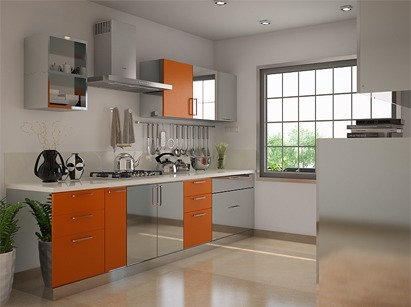
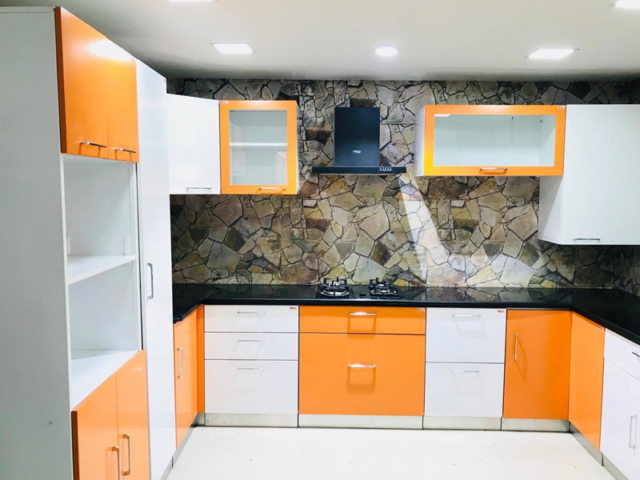
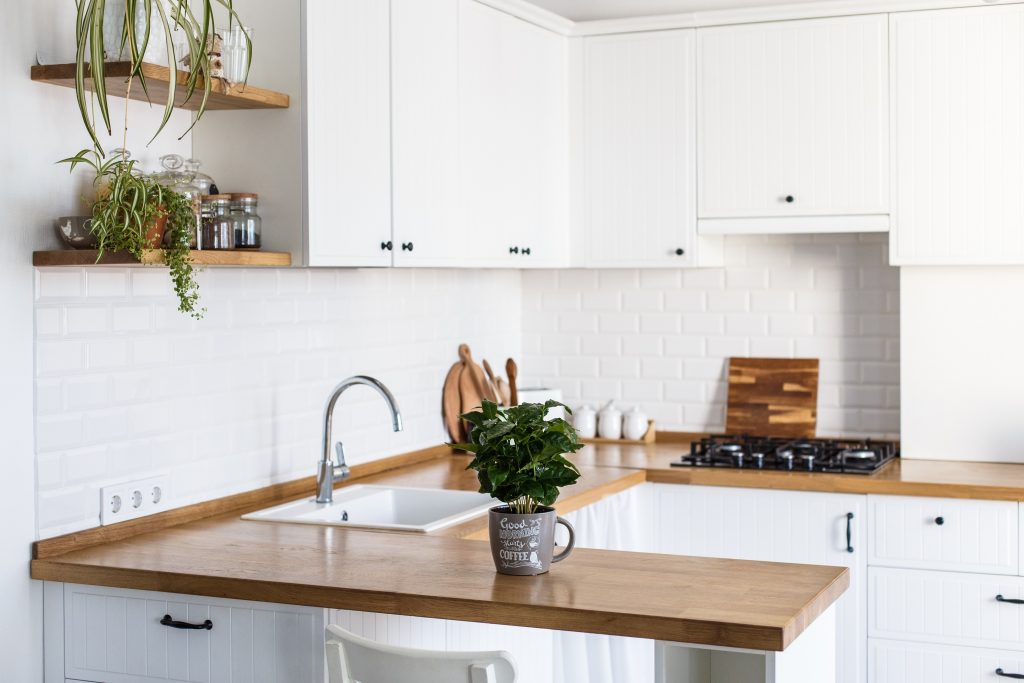
Standardization is an essential aspect of modern engineering to ensure satisfaction with product usage. That brings us down to the commonly used term called module. A module is a combination of standardized parts. Modules utilize all the benefits of standardization and perform a function.
Customization
Customization is modifying something to suit once desire. A more modern definition will be “a modification made to something to suit a particular individual or task using the combination of standard part and modules”.
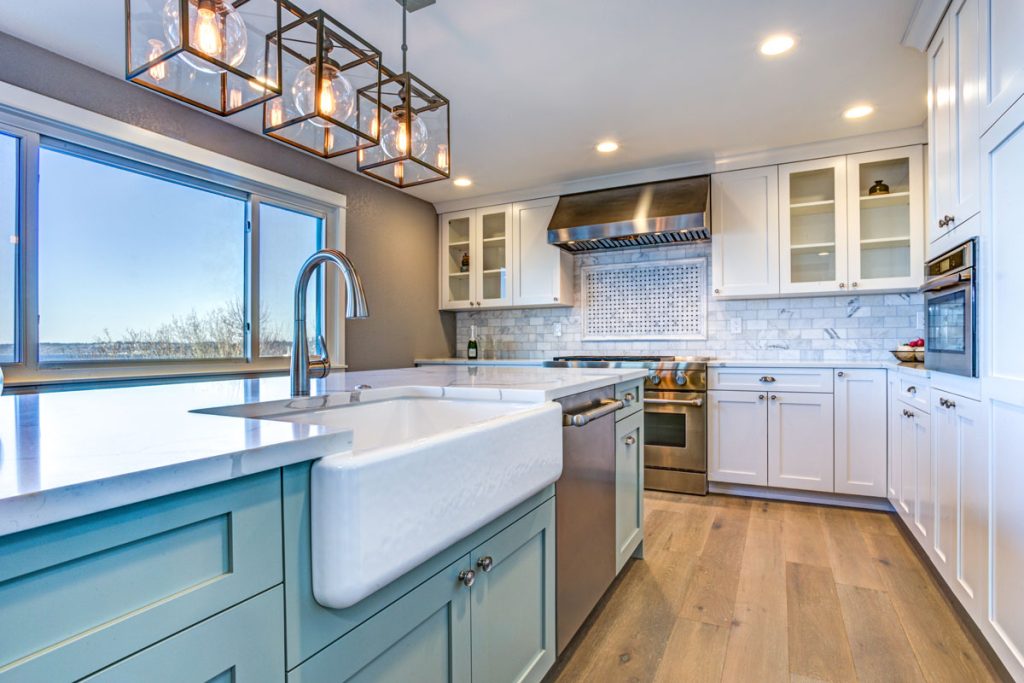
Hence, one chooses from the standards available and uses the permutation and combination of these modules to achieve the customization he needs instead of modifying a standard part or module
The Misconception
Quite often, the term customization is understood as creating a new standard, a new module, or modifying one for a specific case. This will lead to all the disadvantages of not standardizing.
Conclusion
Customization is expressing oneself. However, it has to be done with sensibility without interfering with standards. Use the standard parts and modules available and arrive at the unique presentation you require. In the process, one achieves the satisfaction of customizing to match his personality while reaping the benefits of standards when it comes to quality and maintenance. Contact us to design your dream home interior today.