




Cancer occurs when abnormal cells grow and spread uncontrollably in the body. The link between cancer and using plywood, an engineered wood product, is not well established. However, some concerns exist about the potential health risks associated with plywood and other wood products.
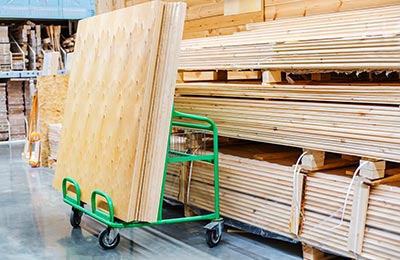
One concern is the potential exposure to formaldehyde, a chemical commonly used as a binder in plywood and other engineered wood products. The International Agency for Research on Cancer (IARC) and the National Toxicology Program (NTP) classify formaldehyde as a human carcinogen. Long-term formaldehyde exposure increases the risk of nasopharyngeal cancer and leukemia.

The emissions of formaldehyde from plywood and other engineered wood products can vary depending on the type of product and the manufacturing process used. Some plywood products may emit higher levels of formaldehyde than others.
The California Air Resources Board (CARB) has set standards for formaldehyde emissions from composite wood products, including plywood. Manufacturers label products that meet these standards as “CARB Phase 2 compliant,” indicating lower formaldehyde emissions.
However, note that the risk of cancer from formaldehyde exposure is generally considered low. Most studies focus on workers exposed to high levels of formaldehyde occupationally.
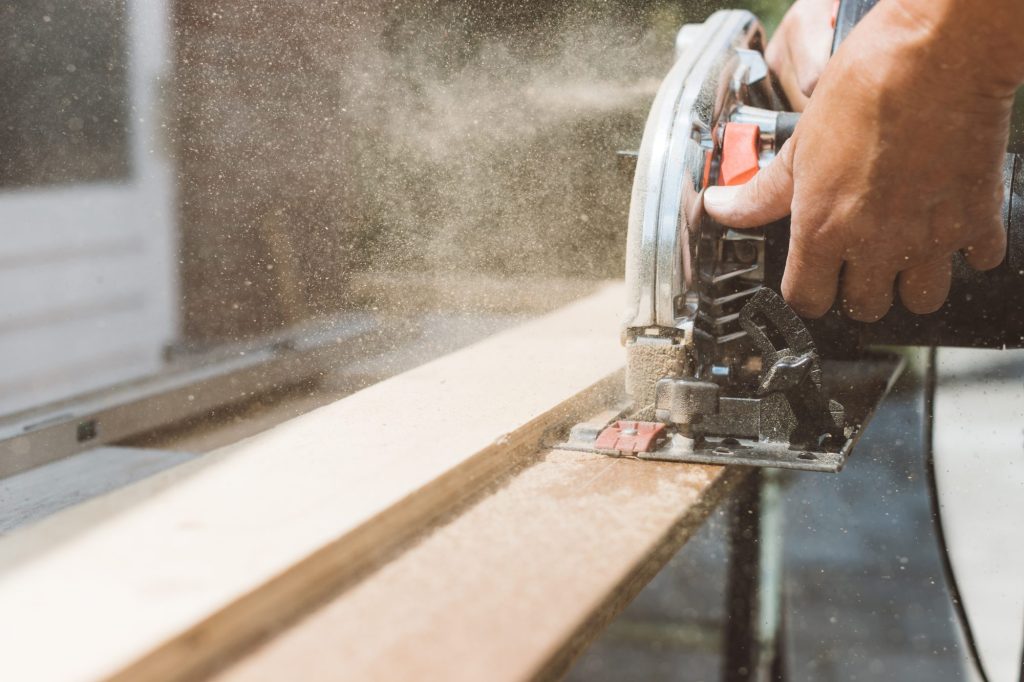
nother concern is the potential exposure to wood dust, which is a known human carcinogen. Cutting or sanding wood products generates wood dust, and prolonged exposure can increase the risk of nasal cancer.
The Occupational Safety and Health Administration (OSHA) has established permissible exposure limits (PELs) for wood dust to protect workers from the health effects of prolonged exposure.
Conclusion
Keep in mind that most people will not have significant exposure to formaldehyde or wood dust from using plywood, and the risk of cancer remains low. However, it is always a good idea to take precautions when working with wood products to minimize exposure to any potential health hazards. Prioritize your health by understanding the facts about formaldehyde and wood dust exposure from plywood. Contact us today to explore safe alternatives and protective measures for a healthier lifestyle
References
- International Agency for Research on Cancer (IARC): Formaldehyde
- National Toxicology Program (NTP): Formaldehyde
- California Air Resources Board (CARB): Formaldehyde emissions from composite wood products
- Occupational Safety and Health Administration (OSHA): Wood dust